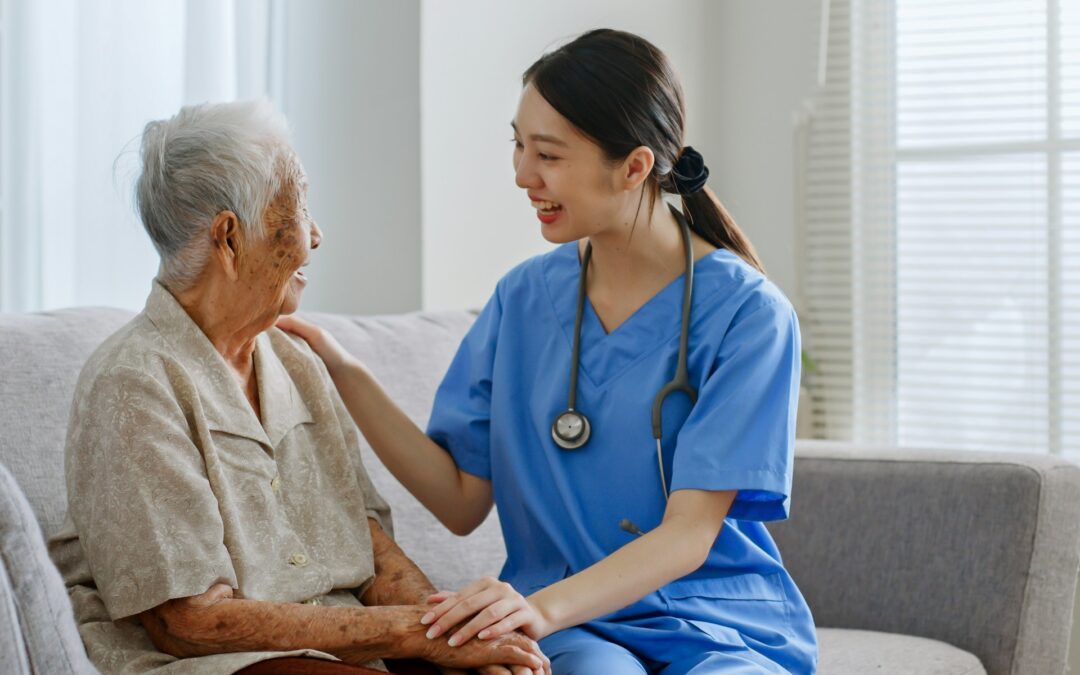
Palliative wound care isn’t about fixing everything. It’s about making people feel more comfortable when healing is slow or no longer expected. For many people who are managing chronic illness or advanced age, relief matters more than recovery. That’s where mobile care brings steady support, focused on reducing discomfort, preventing complications, and making everyday moments easier.
This kind of care can be especially helpful in places like Nashville during the last stretch of winter. February often brings colder air, shorter days, and more time spent indoors. It’s during this season that driving across town or sitting in waiting rooms can feel like too much. That’s why palliative wound care in Nashville works better when it comes to where people are most comfortable, their home, their room, or their chosen place of rest.
Finding Relief Through Wound Support at Home
Palliative wound care shifts the focus away from long-term healing goals. Instead, we look at how to make someone feel better now. For those with fragile skin, long-term conditions, or pressure injuries, the goal is comfort.
• Dressings get changed to reduce drainage and stop rubbing
• Inflammation or odor is managed to keep skin calm and clean
• Adjustments are made based on how a person feels and moves each day
With mobile help, support fits into normal routines instead of disrupting them. No extra car arrangements. No loading into and out of medical buildings when bodies already feel tired. That becomes even more important for caregivers too, who often carry the weight of coordinating everything. Winter adds more layers, both physical and emotional. Fewer errands and a steadier rhythm give everyone a bit of breathing room.
Southern Wound Care brings palliative wound care directly to patients’ homes, helping to manage pain, prevent infection, and limit dressing changes for increased daily comfort.
How Our Environment Affects Healing in Late Winter
When we think about healing, we often picture the body on its own. But the setting matters just as much. In late winter, indoor heating makes skin extra dry, especially on arms, legs, and feet. Outside air, still cold in February, slows circulation and tightens up soft tissue. For older or ill people who already struggle with movement, that impacts how wounds behave day to day.
Here in Nashville, we see these winter effects showing up in small ways: redness under socks, pressure injuries forming more easily, or wounds that stop improving for no clear reason. These aren’t mistakes. They’re signs that the environment is adding stress. Families can support healing with a few simple changes:
• Keep feet and heels supported with soft fabric, not bare surfaces
• Avoid tight clothing or socks that leave marks on the skin
• Use a humidifier if the rooms feel too dry
These tweaks don’t require huge effort, but they make a difference. When the space feels calmer, the body can follow that rhythm too.
What to Expect During a Mobile Palliative Wound Care Visit
Home visits should never feel rushed or uncomfortable. They’re meant to be personal, and that starts with how the day is planned around the person, not the provider.
Each visit usually includes:
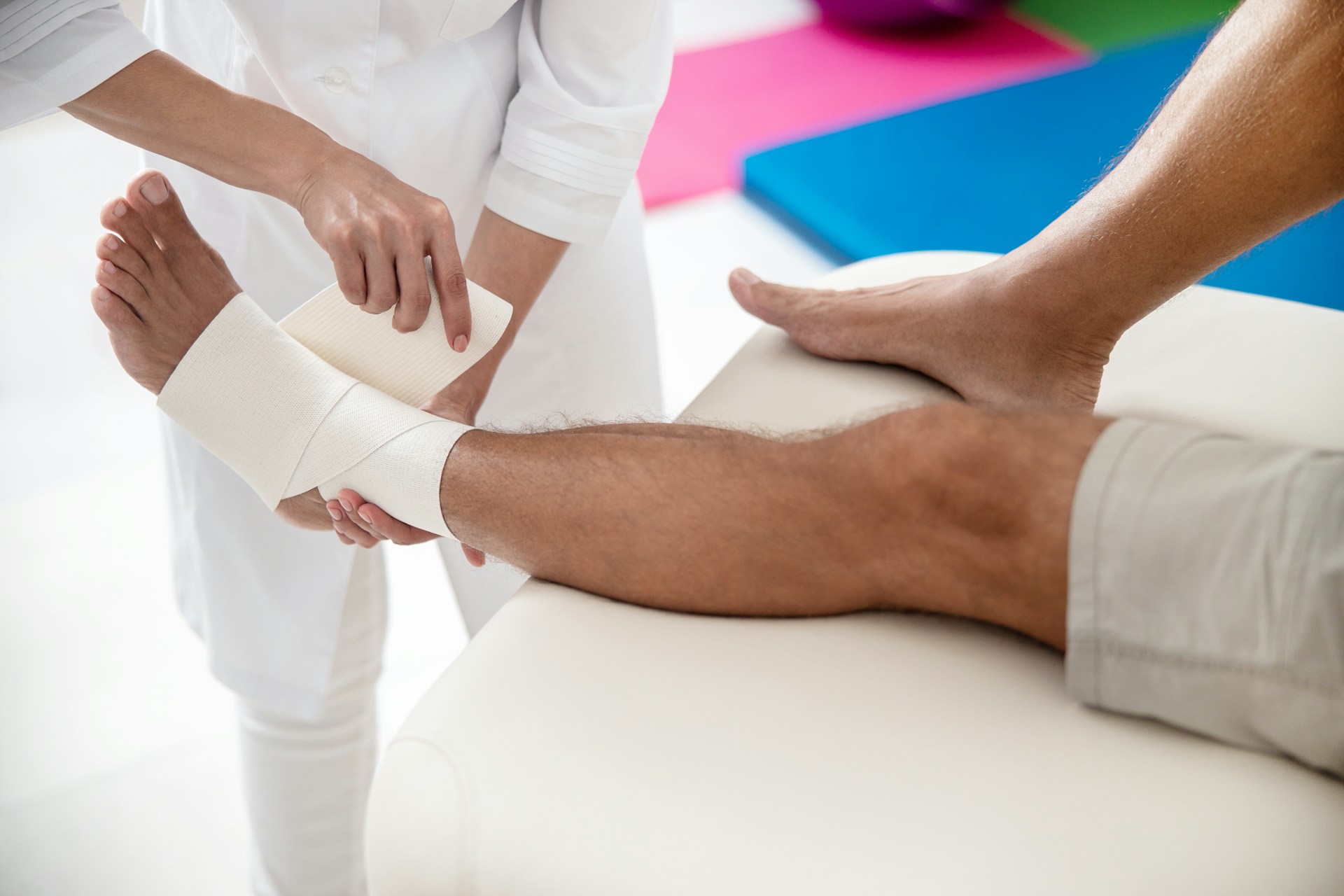
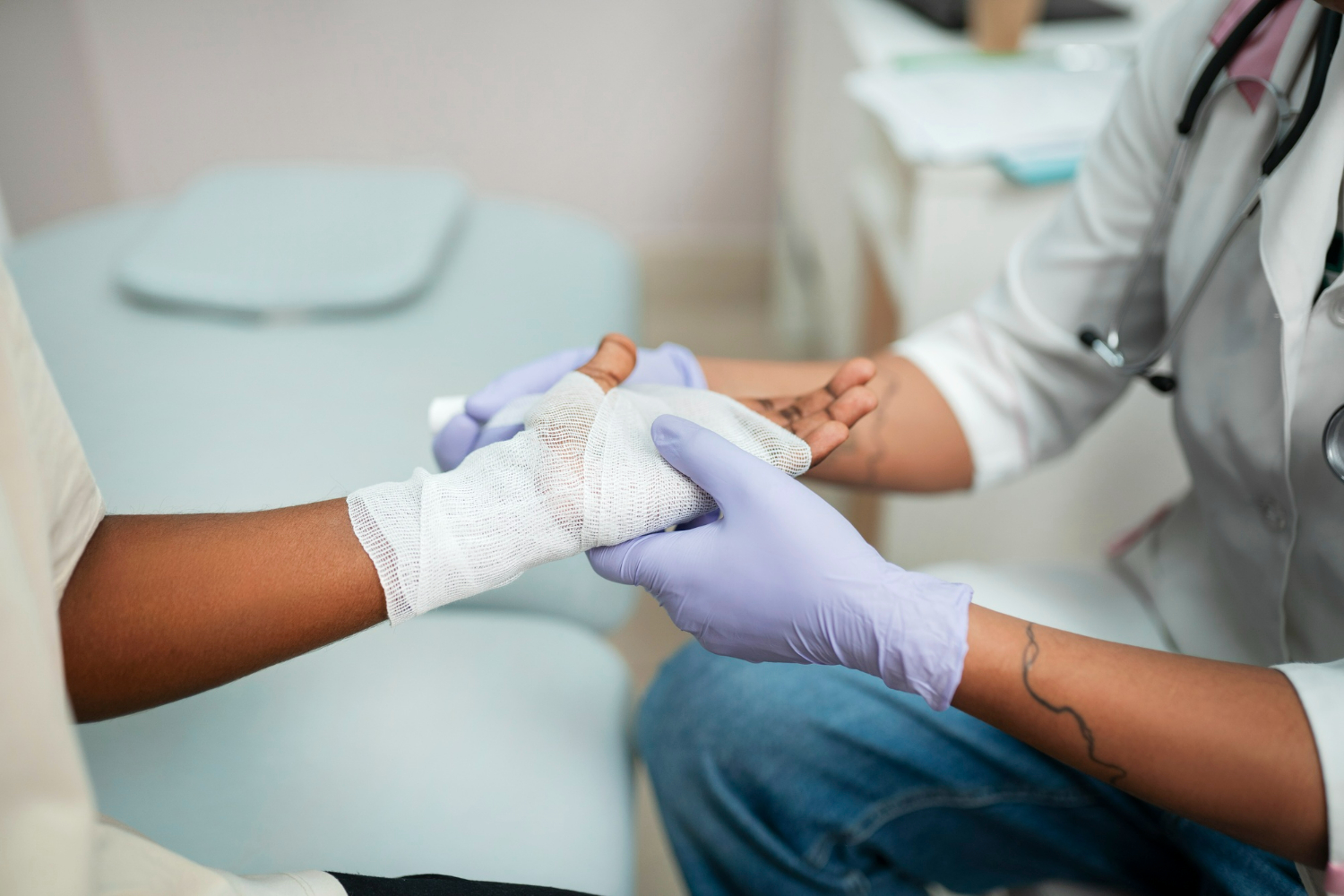
• A careful look at the wound, checking size, drainage, and any color changes
• Cleaning the area with methods that match the wound’s stage and skin around it
• Changing dressings or trying new ones that protect without sticking or causing pain
Some visits are more focused on comfort planning, especially if the wound can’t be healed entirely. In those cases, we work to avoid new pain, reduce odors, and make moving easier. We also talk with caregivers, answer questions, and keep steps easy to follow. Some days the needs are simple. Other days take more time. What matters is that we go at a gentle pace.
Southern Wound Care collaborates with care teams and families to review comfort goals, medication regimens, and make real-time care decisions, tailoring every step for each individual’s needs.
Who Benefits Most from Palliative Wound Care in Nashville
Not everyone with a wound needs palliative care. But there are groups of people who tend to benefit more from this kind of support.
• People living with late-stage illness, where other treatments have stopped
• Older adults whose wounds don’t fully heal but still need attention
• Adults with limited movement, who stay in bed or a wheelchair most of the day
In Brentwood, Nashville, many families choose this kind of care to keep loved ones more comfortable while staying home. It avoids repeat hospital visits and helps maintain routine. When discomfort or infection risk becomes harder to manage alone, having skilled attention nearby brings peace.
Palliative wound care in Nashville gives space for comfort to become the goal. Treatments adjust based on the person’s energy, setting, and the reality of everyday life in that season.
The Comfort of Staying Where You Feel Most at Peace
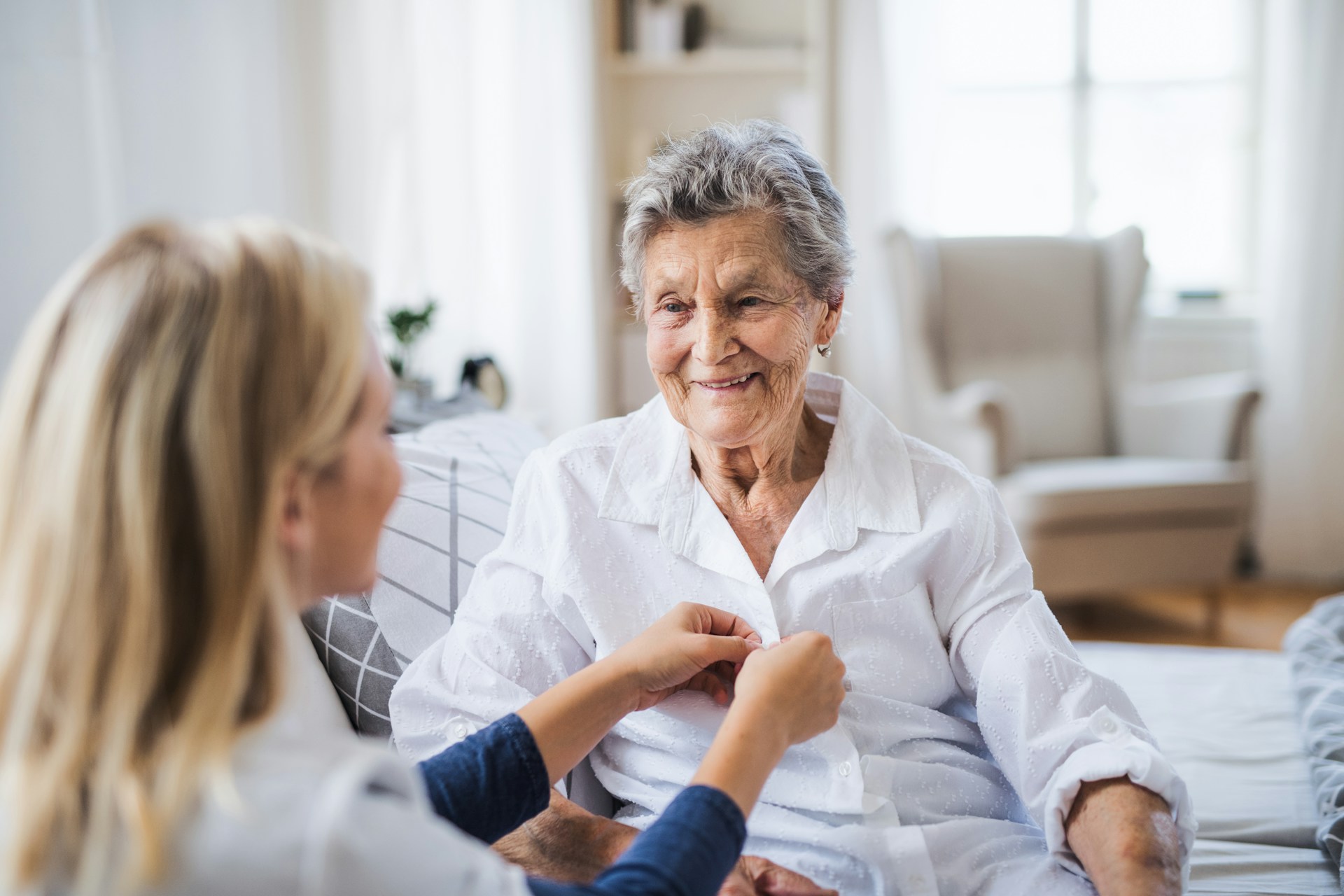
The small things make the biggest difference when someone is already working hard just to get through the day. Staying in a space that feels safe and familiar makes every part of care a little smoother. There’s no traffic, no noisy hallways, and no bright lights that can feel overwhelming.
Mobile wound visits build around these quiet strengths. The way someone moves through a room, positions their body, or reacts to simple changes, these details guide how we handle each step. And when care keeps pace with that rhythm, comfort doesn’t just happen once. It continues to grow, one visit at a time.
At Southern Wound Care, we know how comforting it can be to receive high-quality support at home, especially during the colder months in Brentwood, Nashville. Our focus is always on delivering comfort, access, and individualized attention where it matters most. Discover how we provide palliative wound care in Nashville and reach out to discuss how our team can help bring gentle, attentive care to your loved one’s daily routine.