
Managing wound care at home or in a care setting can be hard on families. Between juggling schedules, keeping supplies stocked, and watching for signs of healing, the pressure adds up fast. It can be especially tough when everything falls on just one or two caregivers.
Brentwood families heading into early spring often start thinking about fresh routines. With warmer days and more flexibility around mobility, it’s a good time to step back and look at what’s working and what’s not. Wound care management in Brentwood doesn’t have to feel heavy or confusing. The right kind of help can make everyday care feel more steady and less stressful.
Making Care Easier to Handle at Home or in a Facility
Many families in Brentwood find themselves caring for relatives recovering from surgery or living with chronic health conditions that make healing slower. Pressure injuries, post-op wounds, and diabetic ulcers can stick around longer than expected. When that happens, traveling to a clinic isn’t always practical or safe.
Wounds still need attention, but the process doesn’t need to involve loading into a car or waiting to be seen. When care meets people where they already are, things start to feel a little lighter.
To get ready for wound care at home or in a care facility, we suggest:
- Picking one clean, easy-to-access area where care is usually done. That might be near a bedside, kitchen table, or recliner.
- Keeping wound care supplies together in a bin, cart, or drawer to avoid last-minute scrambling. Include gloves, gauze, tape, pads, and a small waste container if needed.
- Making sure the lighting in the space is bright enough so nothing gets missed during the visit.
Planning like this helps caregivers feel more confident. It also gives the person receiving care some peace, knowing that nothing will be rushed or overlooked.
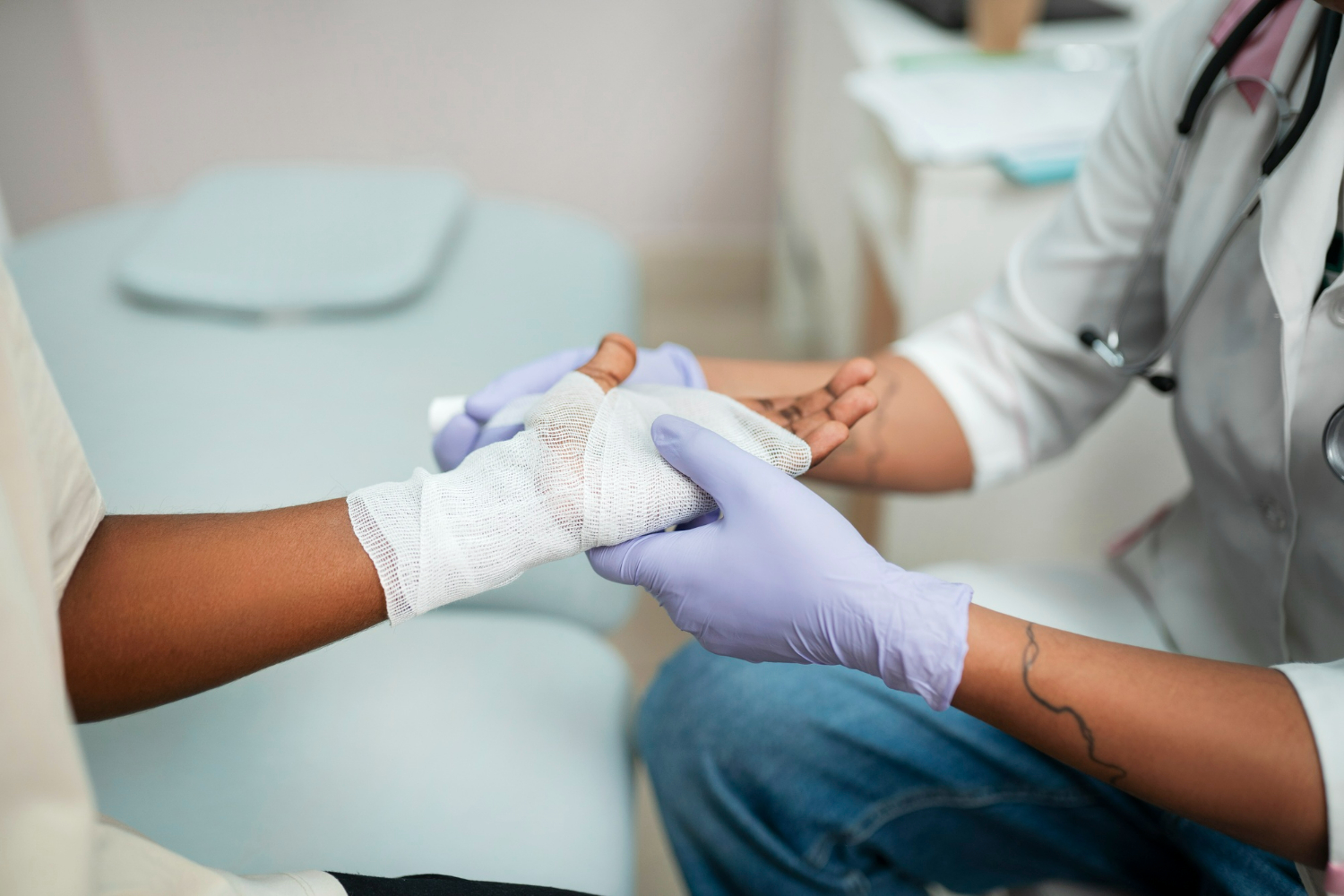
Southern Wound Care brings wound care to wherever the patient is, whether at home, in an assisted living facility, or another care setting, helping families avoid unnecessary travel and hospital visits.
What to Expect From a Good Wound Care Routine
When visits feel predictable and calm, everyone breathes a little easier. Wound care should become part of the routine, not a disruption in the day. Most care starts by checking how things look: Is the wound smaller or larger than before? Is there new drainage? Is the surrounding skin tender or tight? Those early signs speak volumes.
The visit itself usually includes:
- Reviewing progress and checking the wound site
- Cleaning and dressing the wound using fresh, sterile materials
- Giving reminders about simple steps that support healing between visits
These steps don’t change much from week to week, but they still need steady attention. Having visits booked around daily rhythms helps, like during a quiet morning or after breakfast when energy is still good. Regular care builds stability, and that leads to better rest and fewer setbacks.
Every visit from Southern Wound Care includes a thorough wound assessment, ongoing education for caregivers, and adjustments to treatment that match the patient’s current needs.
Working Together With Caregivers and Family Members
Good care depends on clear communication. Everyone involved, whether family, staff, or part-time helpers, deserves to feel informed and respected. We see the best healing happen when everyone is kept in the loop without over-complicating things.
Here’s how we like to work with others helping out:
- Let caregivers know what to watch for between visits, like swelling, odor, or signs of pain
- Keep dressing instructions simple and repeat them out loud if needed
- Make space for questions, even quick ones like, “Does this spot look okay?”
When people feel like their efforts matter, they stay more motivated. Care becomes something shared instead of something overwhelming. That kind of teamwork helps keep things moving in the right direction.
Helpful Questions to Ask Before Choosing a Provider
Finding the right care isn’t only about availability. It’s about finding someone willing to fit into your setting rather than asking you to change everything around them. With that in mind, here are a few questions families might ask before moving forward with a provider:
- Do you travel to both private homes and assisted living facilities?
- How do you adjust care when the wound starts to change, for better or worse?
- Can you work with other caregivers or staff we already have helping?
- Are you flexible when a preferred space isn’t ideal, like when someone moves from a bed to a recliner?
These types of questions can help families figure out who fits best with the way they already function daily. They also help predict how communication will go when something unexpected comes up.
How Comfort and Familiarity Support Better Healing
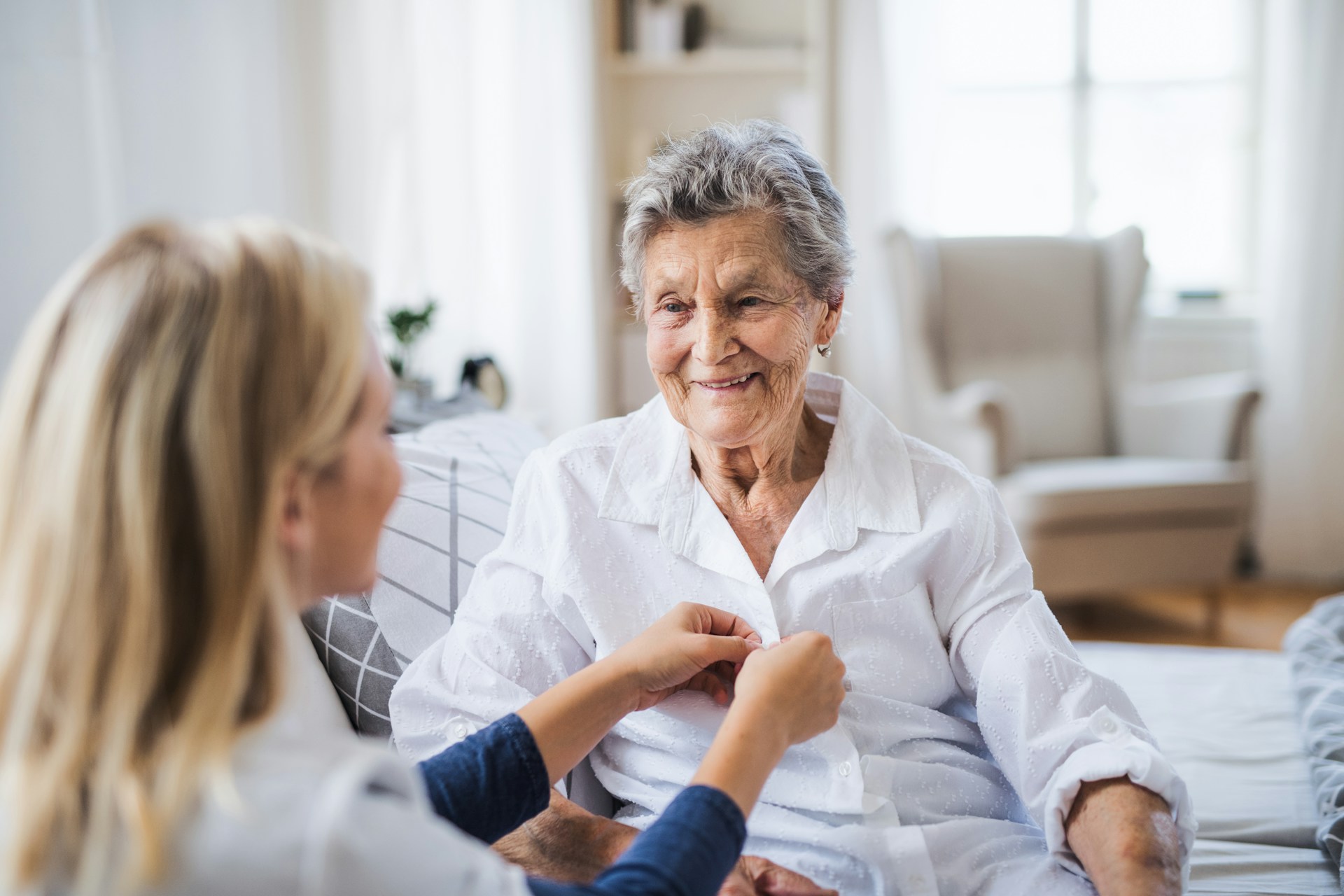
Small comforts can make a big difference. Being at home or in a familiar room allows people to relax during care. They aren’t worried about the sounds of a waiting room or the distraction of long drives.
Healing happens gradually. When care visits match the rhythm of someone’s day, the body responds better. And in early spring, people may feel ready to sit outside, stretch a little more, or start swapping winter clothes for something lighter. All those changes can affect wound sites, more movement, more friction, or even sweat in places that stayed dry all winter.
Think of things like:
- Adjusting pads or wraps when clothing changes from sweaters to lighter wear
- Watching for shifting pressure points as people start walking a little more
- Staying gentle with fragile skin that hasn’t been exposed to as much movement for weeks
Familiar surroundings keep people relaxed, and when they’re relaxed, their care feels less invasive and more manageable.
When Wound Care Feels Simple, Families Feel More at Ease
Wound care management in Brentwood shouldn’t feel like one more burden for already stretched families. The visits should feel predictable, the schedule should work with daily life, and the steps between visits should be simple to handle. When the structure is there, we see people heal more smoothly, not only because their body is responding, but because they’re sleeping better, worrying less, and moving through their day without dread.
At the end of winter and the start of spring, when the days grow longer and the air shifts just a little, it’s a good time for families to pause and ask if their current care is truly supporting healing or just getting them by. When wound care fits naturally into someone’s environment and routine, it opens up space for everyone to breathe a little easier.
Caring for a loved one in Brentwood can be challenging, but finding routines that ease daily pressures is possible with the right support. Spring is an ideal time to reassess how care fits into your family’s life and explore small changes that can create more comfort and stability. Discover how our steady, mobile visits bring peace of mind by reviewing our approach to wound care management in Brentwood. At Southern Wound Care, we focus on care that follows the person, not the other way around. Ready to talk? Give us a call.