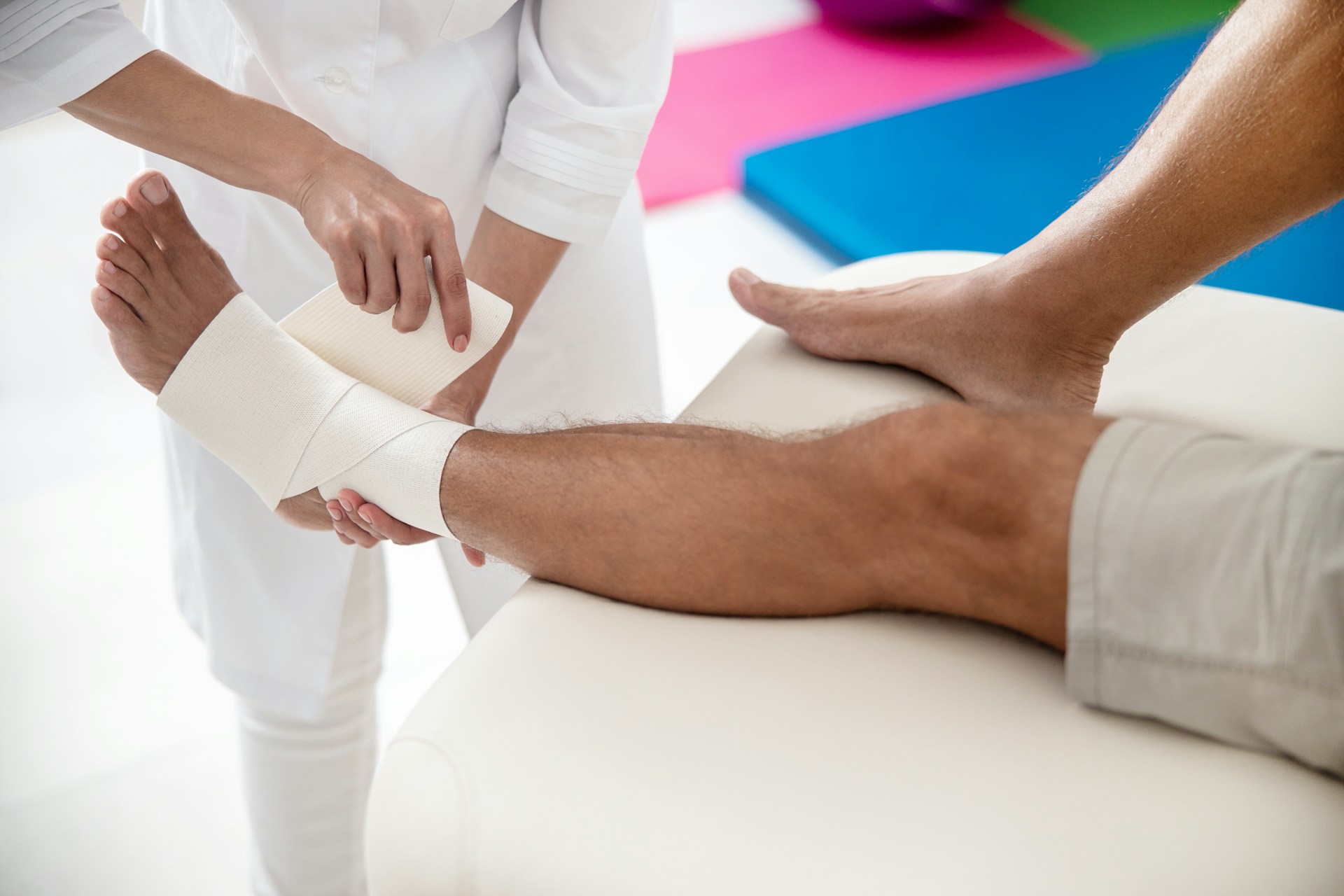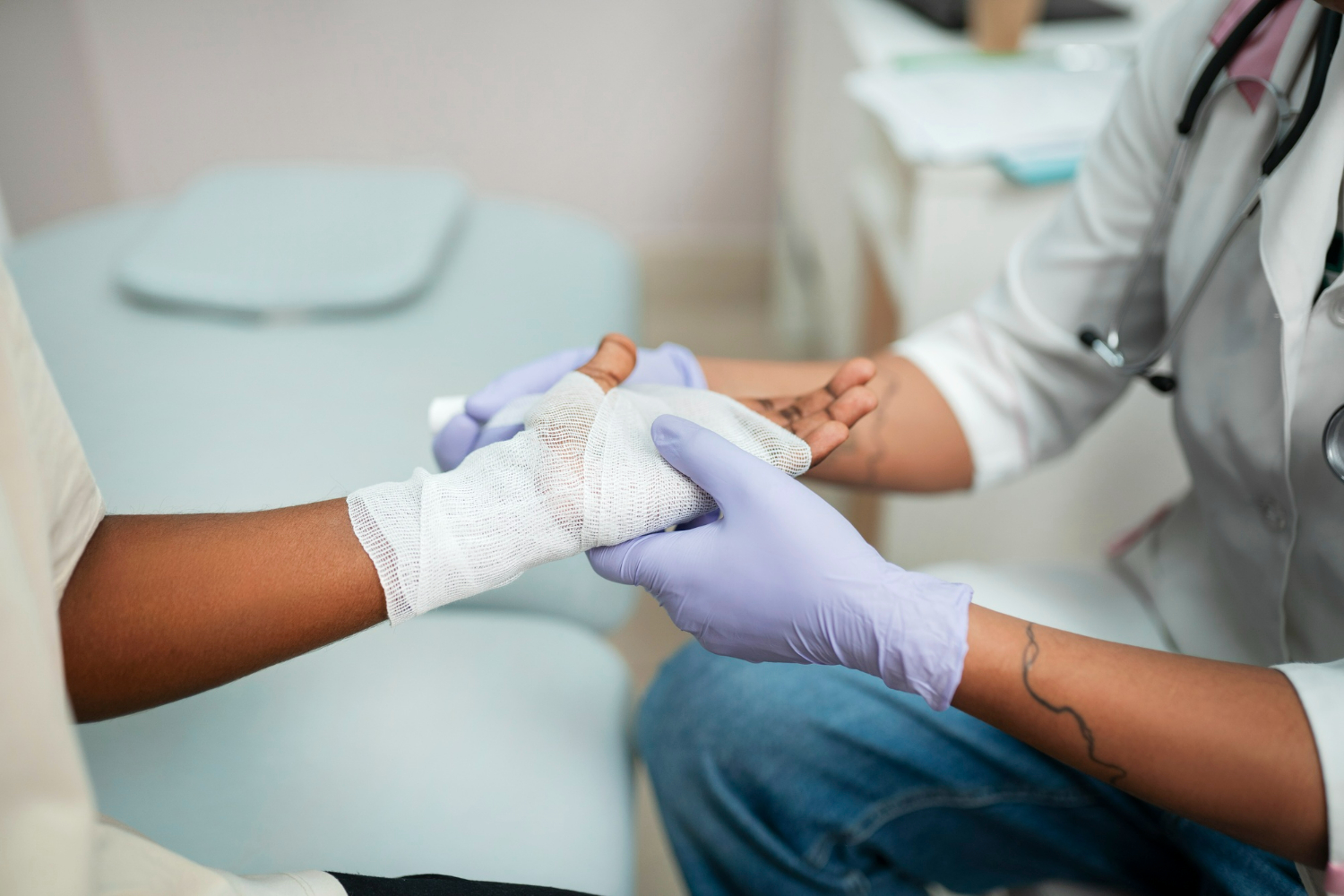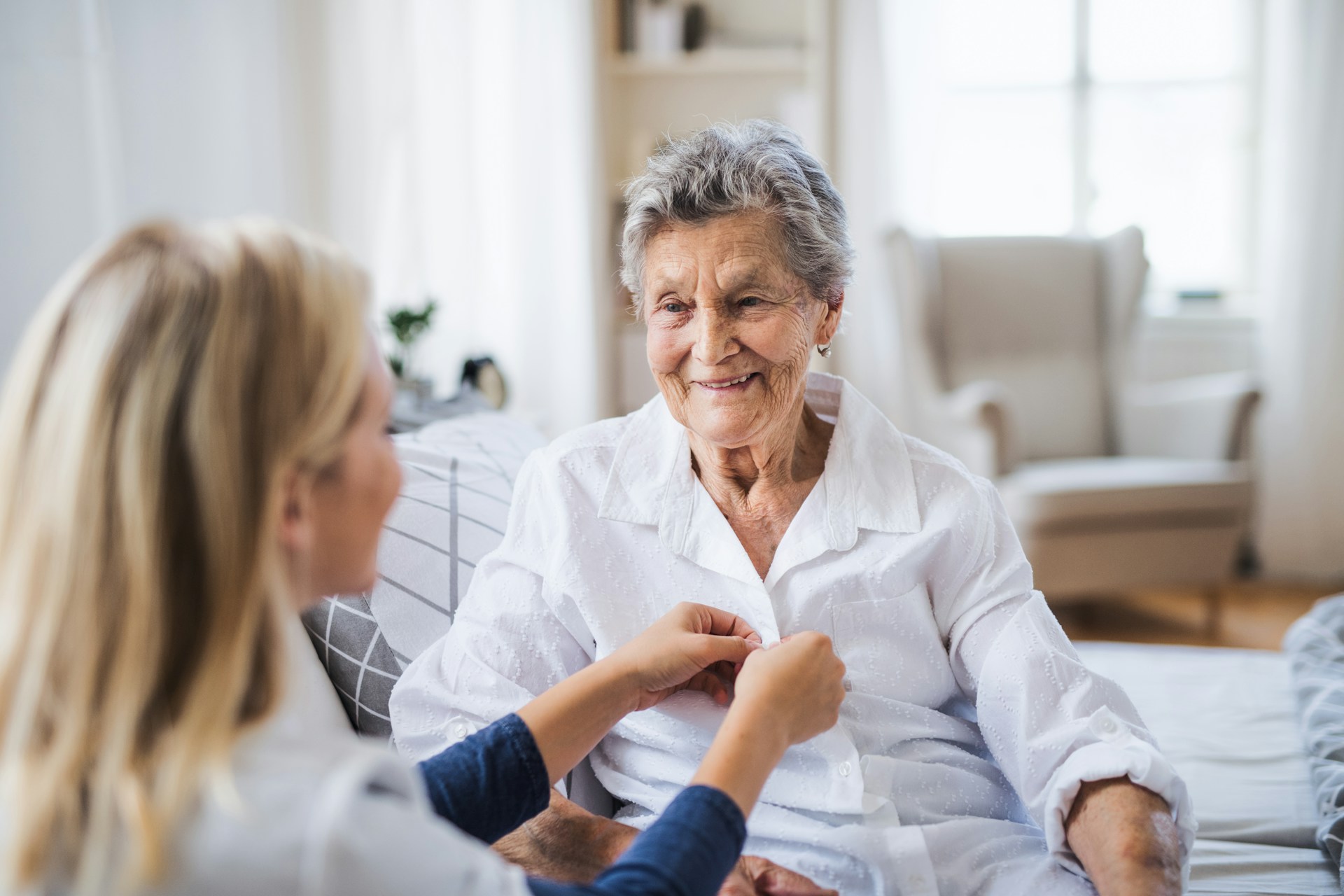
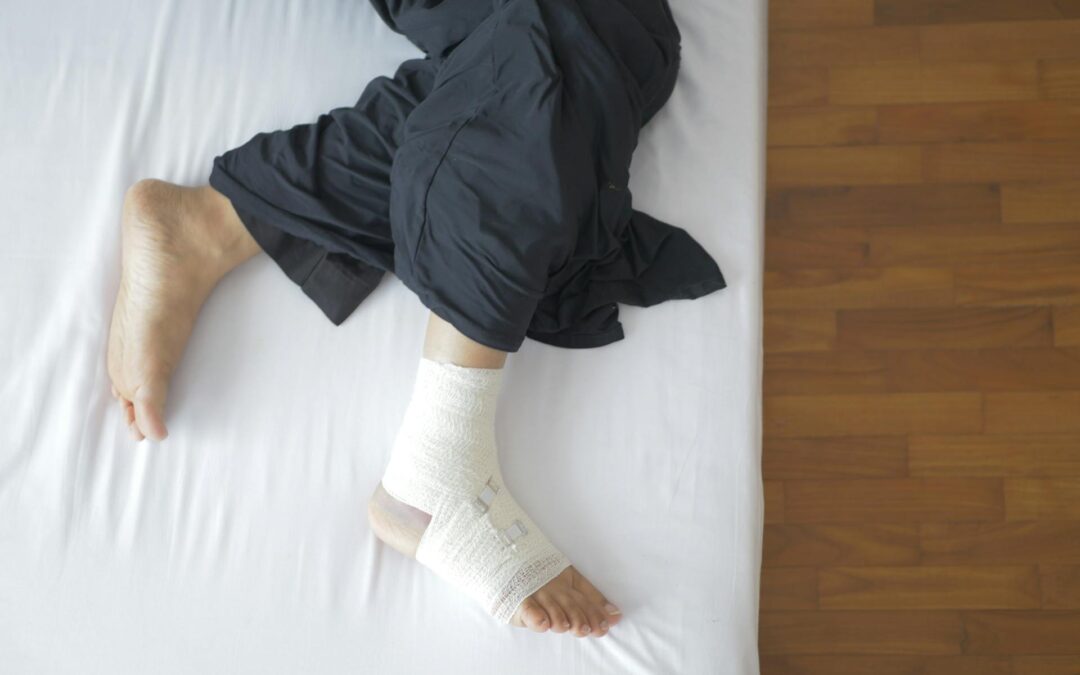
Wound care at home in Nashville gives comfort and peace to people who need regular support but do not want to travel far. Instead of struggling with clinic visits or sitting through waiting room delays, care comes to where life happens, at home, in a room filled with someone’s familiar routines. It is personal, quiet, and steady, especially during this time of year when winter is fading and March is bringing the first hints of spring.
As the day-to-day pace slowly shifts across Brentwood and nearby areas, more people are finding relief and flexibility through mobile care. It feels less overwhelming than dealing with traffic or keeping track of appointment logistics. Care fits into real life, not the other way around. We have seen how that simple shift makes healing less stressful and more possible.
Why Some Wounds Need Ongoing Attention at Home
Some wounds do not go away quickly or respond well to short-term fixes. With aging, health conditions, or mobility limits, healing can take time, and that is okay. What matters is helping the person stay comfortable and safe through consistent care.
- Pressure injuries often show up when someone spends most of the day in bed or a wheelchair
- Diabetic ulcers may need frequent checks to stop infections before they start
- Surgical wounds that have not healed fully may still need cleaning or dressing changes weeks later
For someone living with these kinds of wounds, heading out to a medical building is not always the best option. Cold air, long waits, and the stress of moving around can take a toll. When wound care happens at home, we are able to meet people where they are, adjust care to match their routines, and help them stay more relaxed. There is no need to hurry or push through hard moments just to be seen. Instead, the care moves in pace with the person.
Southern Wound Care’s providers offer wound assessments, cleaning, and advanced bedside treatment for patients who struggle with mobility, focusing on patient-centric healing plans and personal comfort.
What Happens During a Home Visit
The first thing most people ask is, “What exactly happens during these visits?” Each one is a little different, but the goal stays the same: support comfort, safety, and healing without making the day more stressful.
Here is what a visit often includes:
- Checking the wound to see how things are improving or changing
- Gently cleaning the area with supplies that match the skin’s needs
- Putting on a fresh dressing that protects but does not pull or cause pain
- Talking with caregivers so they feel informed and supported
We pay attention to more than just the wound itself. We watch how a person moves, rests, and responds in their space. Some days they may feel tired or need a slower pace. Other times, they are ready to ask questions or try small changes. Either way, we take our time and work with what the day needs.
Springtime Shifts in Nashville That Affect Healing
March in Nashville brings a mix of weather. One day might feel warm and sunny. The next is cold again. These swings affect not just the air, but the skin and how wounds behave too.
- Indoor heat can dry out the skin, which may lead to cracking or irritation
- Pollen and dust might start to stir again as spring begins, affecting breathing or healing
- People wear lighter clothes one day and bundle up the next, which means clothing may rub or fit differently
Homes can help or hurt this shift. A dry bedroom, pressure from stiff socks, or a warm room with poor air flow can delay progress. Making a few small changes helps. Keep bedding clean and soft. Use simple layers that do not squeeze around ankles or arms. Ask about using a humidifier if the air feels too dry. These steps do not take much, but they give the body one less thing to worry about.
Who Benefits Most from Wound Care Visits at Home
Not every person with a wound needs regular visits, but some do. We often visit people with limited movement or medical issues that slow down healing. We also work with older adults who recover better in calm spaces without the pressure of schedules or check-ins.
- Someone recovering from a hospital stay who still has wounds to monitor
- A caregiver looking after a parent or relative at home who does not want repeat trips back and forth
- A person with diabetes or poor circulation dealing with wounds that reopen or will not close easily
These are just a few real-life situations where wound care at home in Nashville makes daily life smoother. When care happens in place, people feel more like themselves. Their home becomes part of the healing, quiet, steady, and full of familiar rhythms. It gives families more room to breathe, knowing someone is coming to them instead of the other way around.
With Southern Wound Care, our staff coordinates with caregivers at each step, providing education and clear instructions so that at-home routines continue smoothly between visits.
The Ongoing Comfort of Home-Based Healing
There is something steadying about being cared for right where you feel most at ease. You know where the light switch is. You know which chair feels best. You do not need to explain how things are set up or why the hallway needs to stay clear. That confidence helps the person needing care feel a little more in control. It helps caregivers worry less too.
That is what home visits really bring, the slow, simple comfort of familiarity. Over time, those small details work together. Skin stays calm. Movement feels possible. Healing does not have to be rushed. It can happen slowly, with space to rest and respond as the days unfold.
Healing at home can be challenging, but support is available. Our staff understands the importance of calm routines, familiar surroundings, and timely check-ins for families in Brentwood and the surrounding Nashville area. To find out how Southern Wound Care can provide consistent, stress-free support for your loved one with wound care at home in Nashville, call us today.