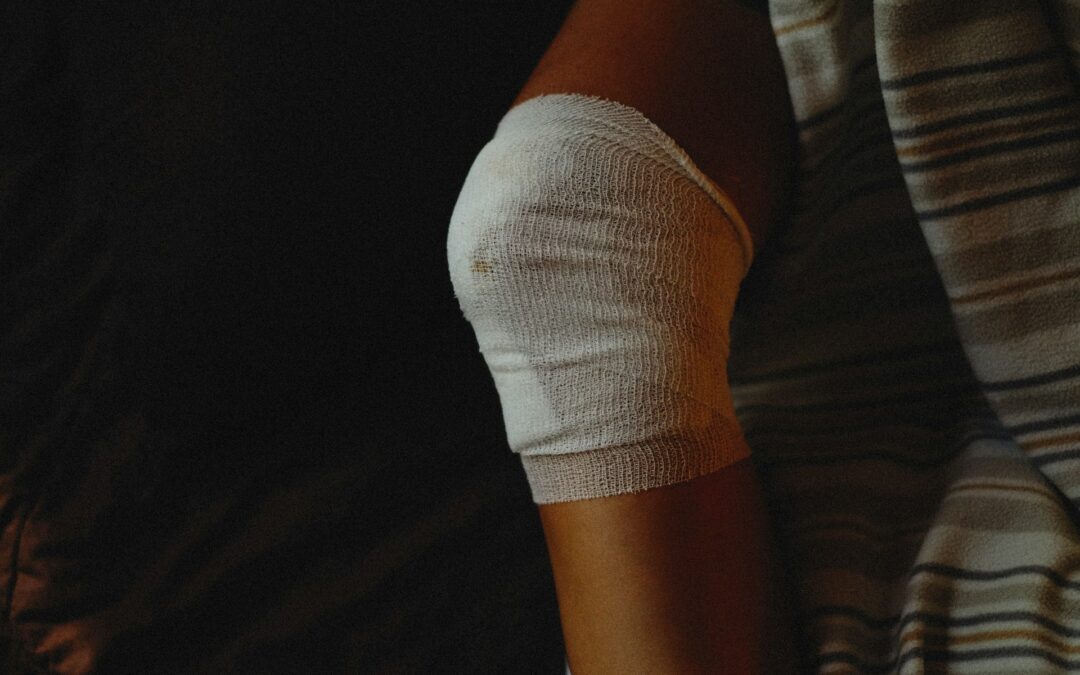
Late winter in Nashville doesn’t make healing any easier. Between cold air, gray skies, and sidewalks still slick from last week’s freeze, just stepping outside can be a challenge. For people recovering from surgeries or managing long-term skin conditions, the extra effort it takes to get to a clinic often feels like too much. That’s where bringing support home starts to matter.
With mobile wound treatment in Nashville, care comes right to where people are already spending their time. No driving, no bundling up, no shifting plans because of icy weather or sore joints. When wounds refuse to heal fully on their own, being able to stay warm and comfortable makes it easier to stick with a recovery plan. This feels especially helpful during February, when the days still feel long and progress can feel slow.
What Makes a Wound Hard to Heal?
Some wounds get stuck. No matter how carefully they’re cleaned or covered, they don’t improve. Others might even seem better at first, then open back up or start draining again. That can leave people confused, frustrated, and unsure of what to do next.
Several things make healing more complicated during this time of year:
• Cold air can slow down blood flow, especially to arms and legs
• Dryness indoors from heaters affects skin texture and protection
• Less movement during winter means more pressure on one spot for too long
On top of that, it’s easy to overlook wounds when they’re covered by heavy clothing. By the time someone notices redness, swelling, or pain, the injury may already need a closer look. Basic dressings and over-the-counter products aren’t always enough to get things back on track. Some wounds need a different kind of attention, especially when the body has been through surgery or deals with other health conditions like diabetes.
At Southern Wound Care, our providers specialize in wound assessment, debridement, and ongoing care that addresses the unique challenges of chronic wounds at home.
How Mobile Visits Keep Healing on Track
When care happens right where someone already lives, a lot of the usual barriers disappear. There’s no long trip across town, no waiting rooms, and no trying to coordinate rides. Instead, the focus stays on what the wound is doing that day, in that setting.
During a typical visit, a few key steps usually happen:
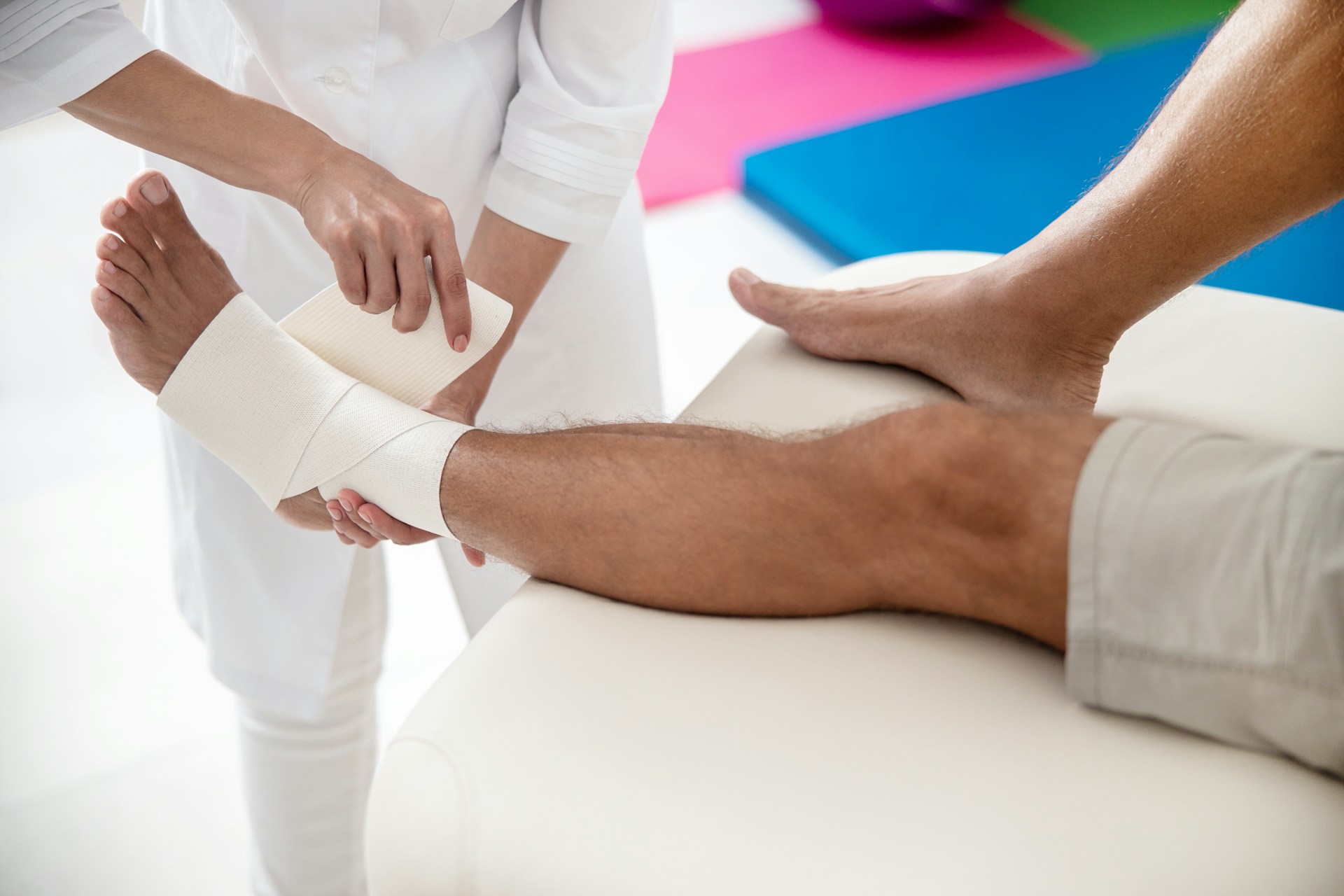
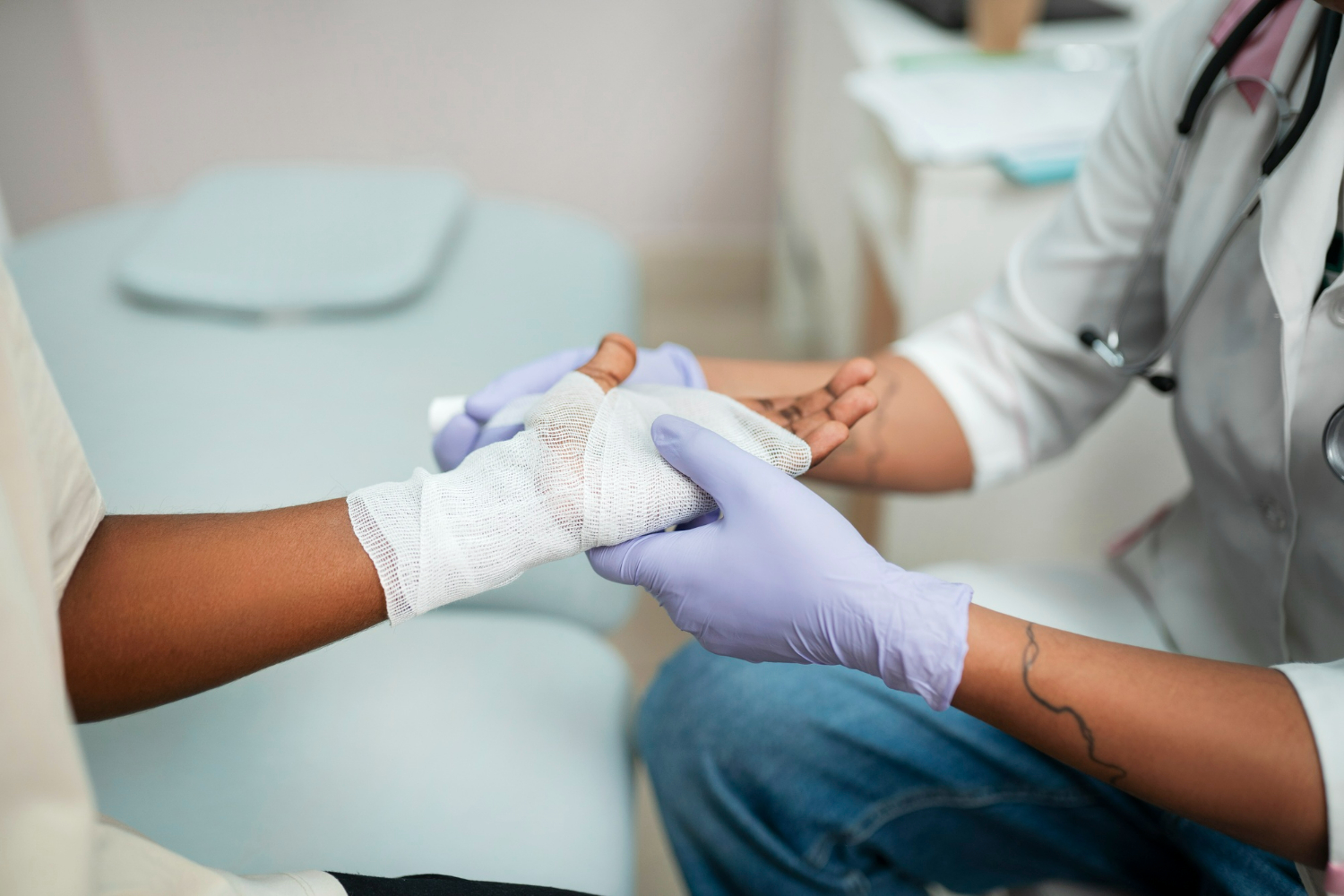
• We check the wound’s size, depth, and how the tissue looks
• We clean the area using methods that fit its stage and location
• We update the care plan, switching dressings or techniques if needed
Every wound changes a little between visits. By seeing it in person each time, we adjust care before small issues become larger ones. It’s not just about the wound, it’s about how that person moves through the day, where they sit or lie down, and how their body responds to treatment over time. That kind of rhythm helps build momentum, especially when someone feels stuck or discouraged by slow progress.
When to Consider Mobile Wound Help
Some signs are easy to spot. A wound that looks red, drains fluid, or stays sore longer than expected could be calling for outside support. Others are more gradual, like a pressure injury developing after sitting too long or a diabetic foot ulcer that won’t close, even after weeks of bandages.
Here are a few situations where mobile care might make sense:
• Surgical wounds that re-open or stay swollen
• Sores at the back, hips, or heels from less movement
• Long-term wounds in people with diabetes or nerve damage
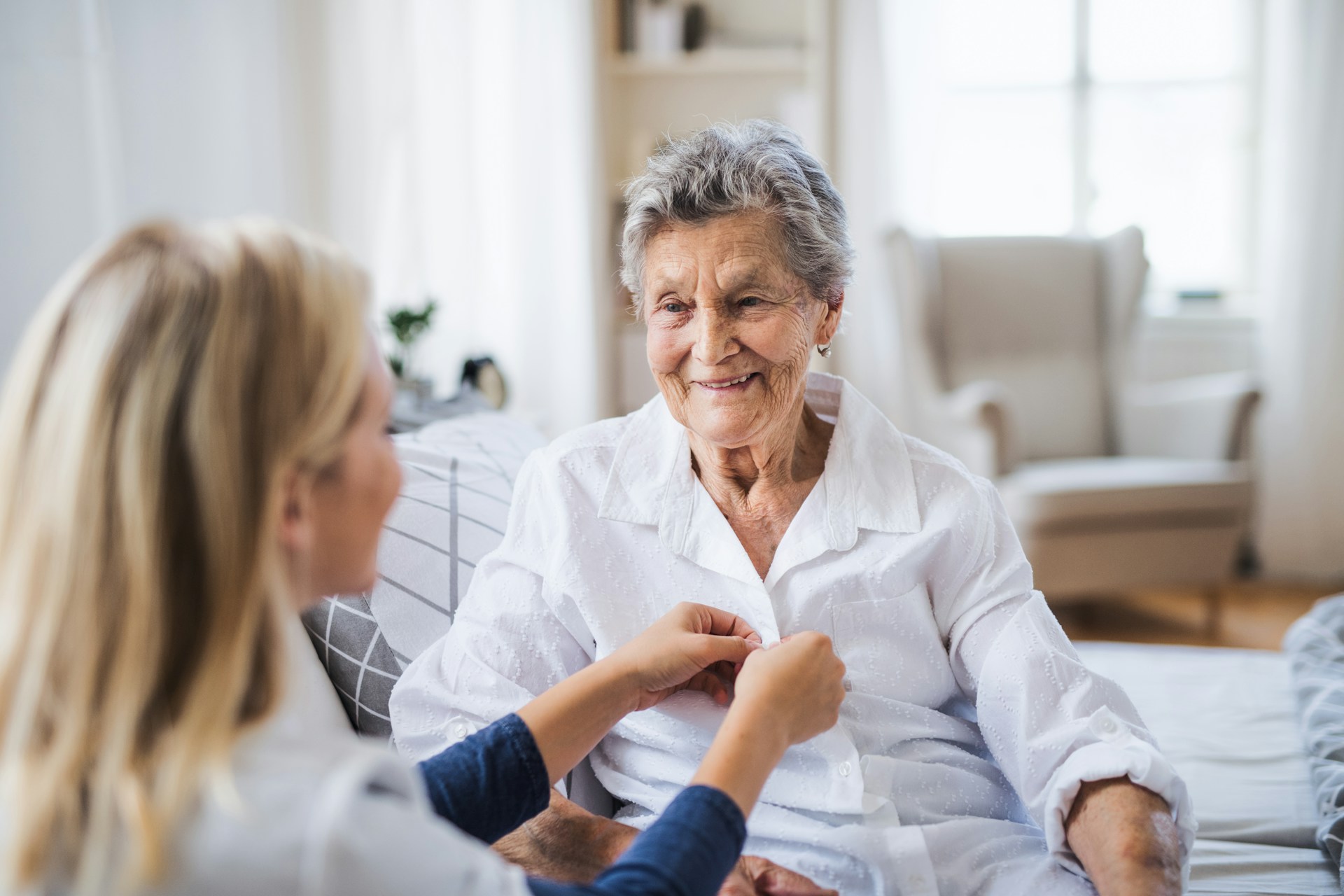
In places like Brentwood, Nashville, we often see older adults who want to avoid the stress of traveling. Some live in assisted care communities. Others stay in their own homes but rely on family members for rides and scheduling. When visits come directly to a patient’s location, it becomes easier for everyone to stay on the same page about what care is needed, and when.
Our team works closely with patients and their families to provide wound evaluations, track improvements, and adjust treatment based on individual circumstances, making in-home recovery more effective and more convenient.
Why February Is a Smart Time to Start
By mid-February, it’s still cold most mornings. Indoor heat keeps running, and heavy quilts or tight socks can rub against sensitive skin without warning. That adds little setbacks to wounds that were doing fine a few days before.
Mobile wound treatment in Nashville makes the most of this season by taking weather out of the equation. No need to reschedule when roads freeze or worry about limping slowly over salted sidewalks. Regular visits can still happen, even if it’s too tough to move around much that day. And as March approaches, the right care rhythm is already in place for whatever spring brings, more errands, family events, or outdoor movement.
It also helps that routines tend to settle during this final stretch of winter. There are fewer holidays and schedules stay somewhat steady. That makes it easier to spot patterns in how wounds respond and adjust before changes throw everything off.
Better Healing Starts with the Right Setup
Being in the right place helps more than most people realize. When wound care fits into someone’s daily setting, the experience becomes less disruptive. Instead of reshuffling a day around one appointment, healing just keeps moving alongside everything else.
• Comfort matters, avoiding cold air, long waits, or shifting in and out of vehicles
• Wounds heal better when reactions are spotted early and changes are made quickly
• Peace of mind grows when care happens in familiar spaces
Support doesn’t have to feel like a production. Keeping things simple, steady, and close to home often leads to better results. When everything lines up, the pace of recovery, the comfort of home, and the right kind of attention, people get to focus less on logistics and more on feeling better.
Our team brings all the necessary wound management supplies and equipment for every visit, so care is never delayed by the need to gather additional products or make extra appointments.
At Southern Wound Care, we make healing more convenient by bringing care directly to your space and routine. When cold weather makes travel or clinic visits more challenging, or when wounds aren’t improving with regular home supplies, our mobile support helps maintain your comfort and progress during a season when both can be harder to achieve. Find out how our approach to mobile wound treatment in Nashville can relieve stress and support your healing journey, contact us to get started.