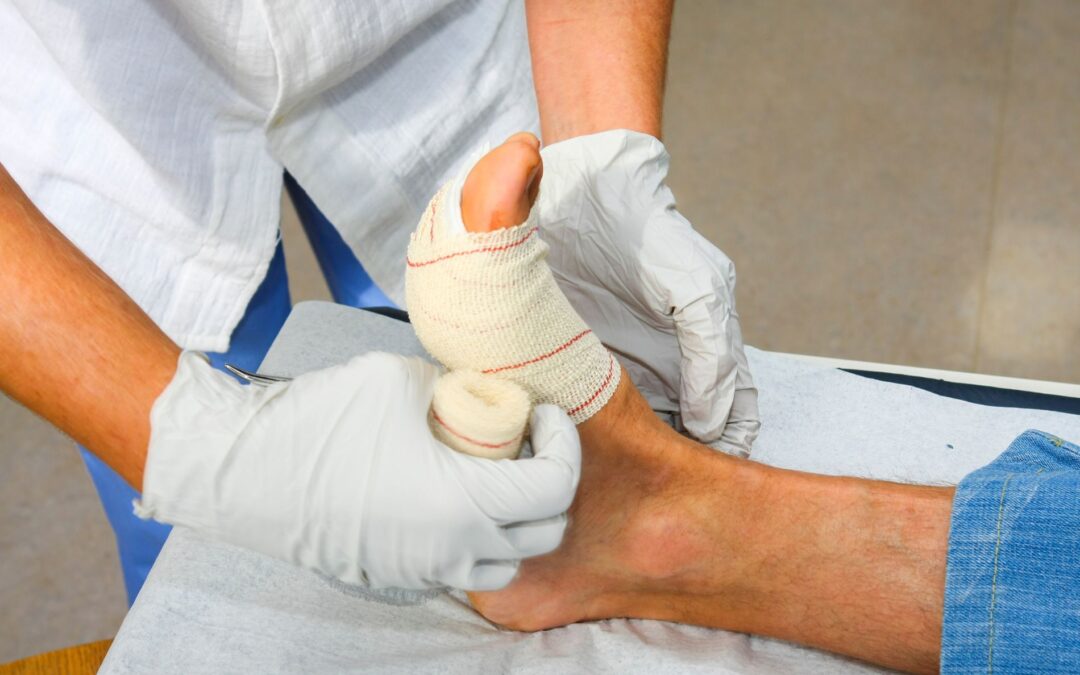
Mobile wound therapy in Nashville is becoming more common as more people recover at home instead of traveling for care. This approach helps patients stick to their treatment plans without disrupting rest or routine. It also removes the challenge of having to get to a clinic or hospital, something that isn’t easy when joints are stiff or healing is slow. As late winter settles into Middle Tennessee, people with open wounds may feel the effect of cooler temperatures, dry indoor air, and slower movement. When staying comfortable becomes a priority, being able to receive care inside the home starts to matter even more.
What Mobile Visits Look Like During Recovery
Mobile wound care allows us to bring treatment directly to where the patient lives. That might be a private home, rehab facility, or assisted living residence. These visits let us observe the space, reduce movement, and focus fully on the healing process.
We typically begin with a full assessment to see how the wound is responding to care. This includes looking at the skin around the injury, checking moisture levels, and asking about pain. Once we understand what’s improving, or not, we clean the wound, apply new dressings, and update the care plan if needed.
No two visits are exactly the same. Some patients need frequent visits, especially if they’re recovering from surgery or have a history of pressure wounds. Others might need less hands-on care but benefit from regular checks to keep things from sliding backward.
How Nashville’s Winter Weather Affects Healing
Late winter in Nashville brings cold nights, dry air, and extra layers that can sometimes interfere with comfort. For someone with a wound, that’s more than just a seasonal shift. It can slow blood flow, affect the way bandages sit, and change the way skin reacts to dressings. That’s why we adjust how we approach each visit based on temperature and home conditions.
• Heaters dry out the air, which can lead to cracked or dry skin around wounds
• People tend to move less in colder weather, reducing circulation and delaying healing
• Some homes are drafty or harder to keep warm, which affects recovery for people who are already run down
We bring what’s needed to help prevent setbacks. This might mean using different dressing materials, protecting against skin irritation from clothing or bedding, or shifting how often we check in during stretches of bad weather.
Benefits of Staying Home While Recovering
Staying in familiar surroundings brings more than just peace of mind. It supports the physical process of healing in meaningful ways. When someone is already tired or hurting, even small tasks like walking to the car or sitting in a waiting room can feel like too much.
• Less movement helps protect healing tissue from pressure or strain
• People avoid the risk of falling on ice, slipping on wet floors, or navigating stairs with sore joints
• Being at home allows for better rest and fewer disruptions to daily rhythms
That slower, more stable pace can make a real difference. Without pushing through pain just to make it to a waiting room, it’s easier to stay consistent and avoid stress that can slow down healing.
Who Might Need Mobile Wound Therapy
This kind of care is often needed when healing isn’t going as planned. Some people call us after surgery when the incision doesn’t close properly. Others struggle with wounds linked to diabetes, like foot ulcers that get worse with time. Pressure injuries are another common reason, especially if movement is restricted or care is delayed.
We also step in when someone’s condition or home setup changes. If stairs become too much to manage, or if a caregiver’s schedule shifts, it might be time for care to start happening where the patient already is.
• Post-surgery recovery that moves too slowly
• Skin breakdown after long bedrest or limited activity
• Diabetic wounds that open without clear cause or don’t respond to standard care
Southern Wound Care provides advanced bedside wound management, including debridement, wound evaluations, and tailored treatment plans for every patient.
Timing matters with these wounds. Getting steady attention early can help avoid complications later.
Adjustments Over Time: What Follow-Up Looks Like
Wound recovery doesn’t follow a strict schedule. Some heal quickly. Others need weeks, or even months, of follow-up to fully close. That’s why we stay consistent with check-ins, even when a wound looks like it’s improving.
Each visit builds on the last. We track changes in color, size, discomfort, and moisture. If something unexpected shows up, like sudden swelling, discharge, or spreading redness, we don’t wait for the next scheduled trip to respond. Plans shift when healing takes a different direction.
• Regular visits include assessment, cleaning, and checking for early signs of trouble
• We look at how well dressings are working and whether they need to be changed
• Communication stays open with family or caregivers when care decisions need to adjust
Our team specializes in preventing wound complications that lead to hospitalizations, providing the close monitoring needed during extended recovery periods.
Keeping everyone in the loop gives patients a better sense of control, especially when recovery starts to stretch out longer than expected.
Keeping Recovery Steady Through the Cold Months
Getting the timing right in winter matters. The weather can change fast in Middle Tennessee, and movement often drops off during the colder stretch of the year. Slippery sidewalks, bundled layers, and slower routines all make healing harder. But care doesn’t have to stop just because the seasons are working against us.
Mobile wound therapy in Nashville helps people stay steady when leaving the house isn’t a good option. We bring everything needed for wound care, watch for slowdowns in healing, and adjust each step to fit the person’s needs. That kind of flexibility makes it easier to keep progress going without putting more pressure on someone who’s already had a tough stretch.
When people don’t have to trade comfort for support, recovery usually becomes more manageable. We help make that choice easier by showing up where the person is and working with the space, and season, they’re already in.
Recovery at home during the winter months can come with unexpected challenges, but you don’t have to manage it alone. Consistent, personalized care without the hassle of braving the cold can make all the difference. That’s why our team at Southern Wound Care offers mobile wound therapy in Nashville, delivering expert support right where you need it. Let us help you stay comfortable and on track with a recovery plan built around your needs and your schedule, reach out to get started today.