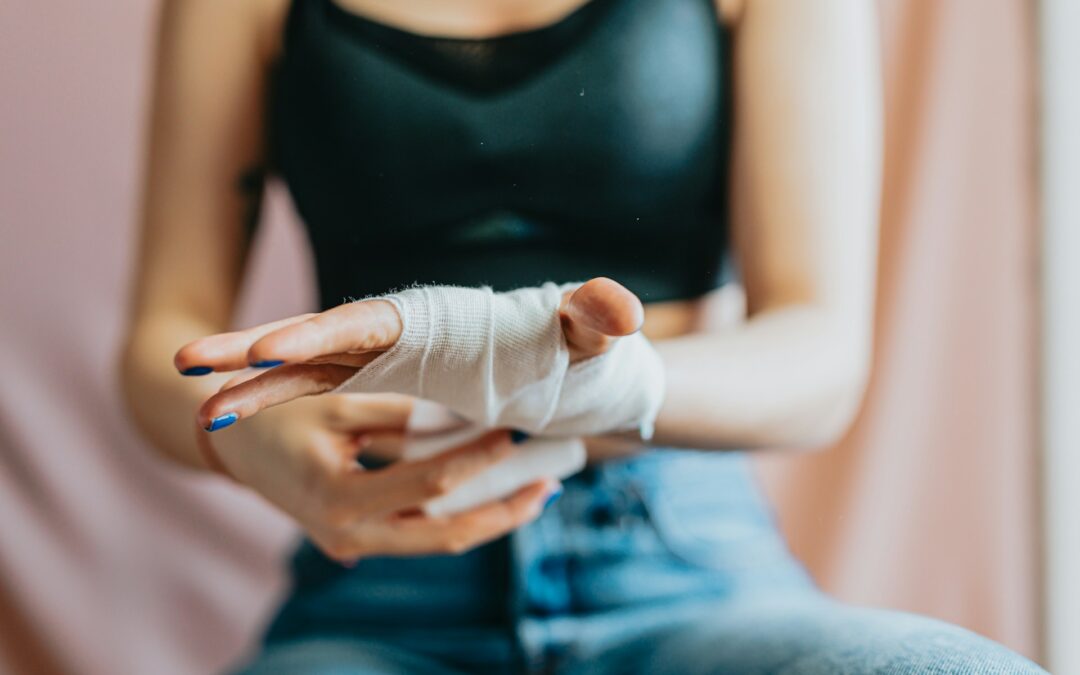
Moving around can get tiring fast when you’re dealing with wounds that just won’t heal. For many people in Nashville, even short trips across town can be a lot to handle. Whether you’re using a walker, recovering from surgery, or facing joint stiffness during colder months, getting to appointments isn’t always possible. That’s where mobile wound care in Nashville makes things easier. It brings support right to people’s homes or facilities, helping them stay on track without needing to leave their beds or rooms.
As winter winds down and temperatures swing up and down, these seasonal changes create fresh challenges for people trying to keep wounds clean and protected. Add on slick sidewalks, traffic congestion, or difficulties climbing stairs, and it’s easy to see how travel becomes a barrier. Our goal is to meet people where they are, reduce those hurdles, and help healing move forward without extra stress.
How Movement Issues Delay or Disrupt Healing
Even small wounds can turn into bigger problems if they aren’t watched closely. But for people who have trouble walking or getting out of bed, things like dressing changes and in-person checkups often get skipped or pushed back.
• Missed visits mean we don’t always catch early signs of infection or breakdown, which can lead to delays in healing.
• Many of the people we help use walkers, oxygen support, wheelchairs, or are recovering from recent hospital stays. Getting to an office space just isn’t realistic.
• Add in winter injuries like falls or sprains, and moving around becomes even more difficult. Every movement can feel like a risk.
When mobility slows down, wounds don’t get the attention they need. Left alone too long, some injuries turn into long-term issues. Without regular care, things can shift quickly from uncomfortable to dangerous.
Risks of Traveling When You’re Not at Your Best
Traveling when you’re sick, sore, or worn out can feel overwhelming on a good day. But during late winter in Nashville, all the added layers like coats, gloves, and cold air only make it harder.
• Icy sidewalks, uneven pavement, and long parking lots can cause falls or slow someone down to the point that they just give up on the trip.
• Getting in and out of cars can pull on sore areas or disturb wounds that haven’t fully closed yet.
• Waiting in lines, walking long hallways, or sitting for long periods before being seen can make healing harder instead of better.
When people push themselves to make these trips, it often leads to more harm than help. Healing thrives on routine and calm, not on hurrying or straining just to get checked. Skipping the drive altogether keeps people comfortable and lets us focus on care instead of logistics.
What Mobile Visits Really Look Like Day-to-Day
Bringing care into someone’s space doesn’t mean the quality drops. These visits are structured, professional, and planned around how someone actually lives day-to-day.
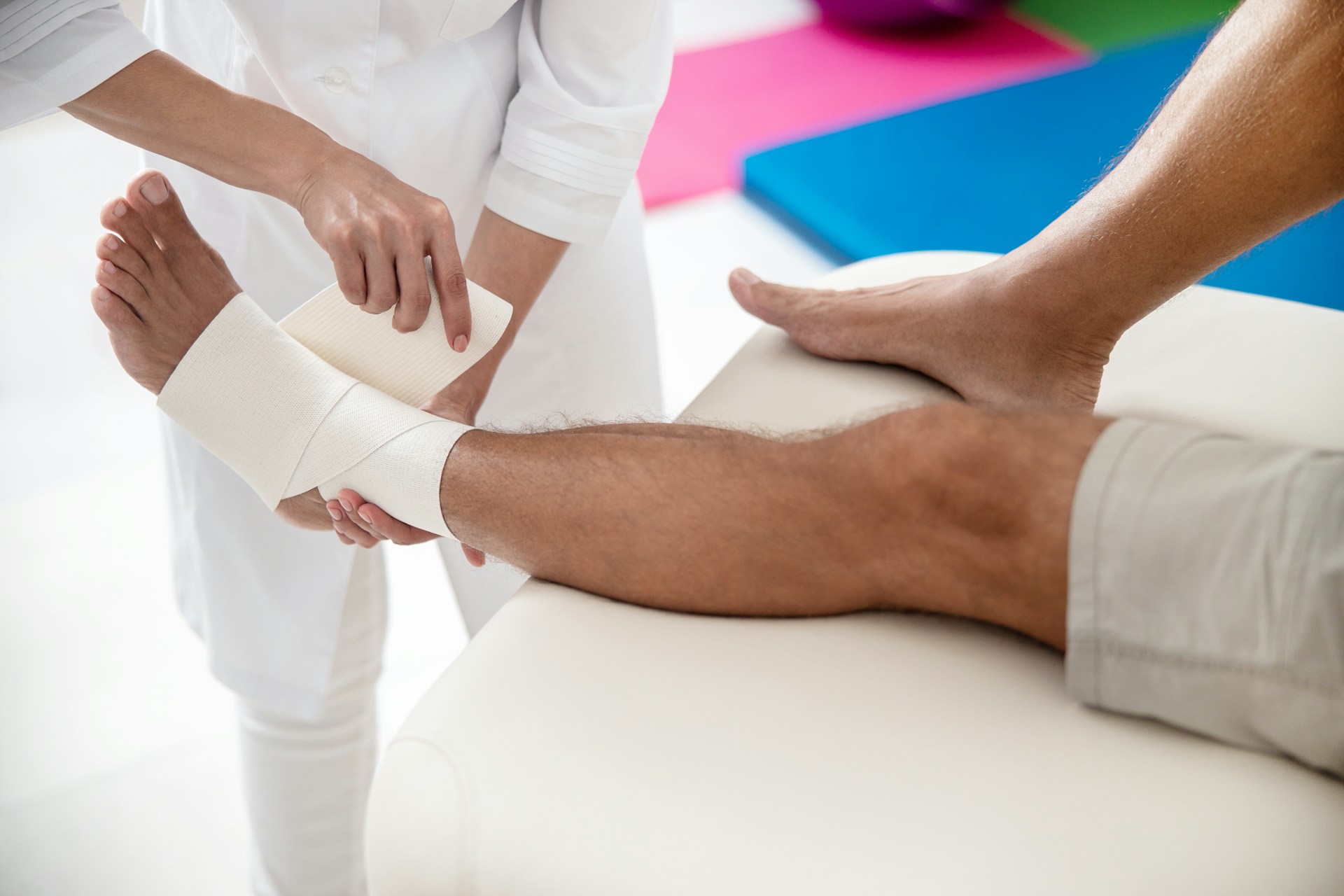
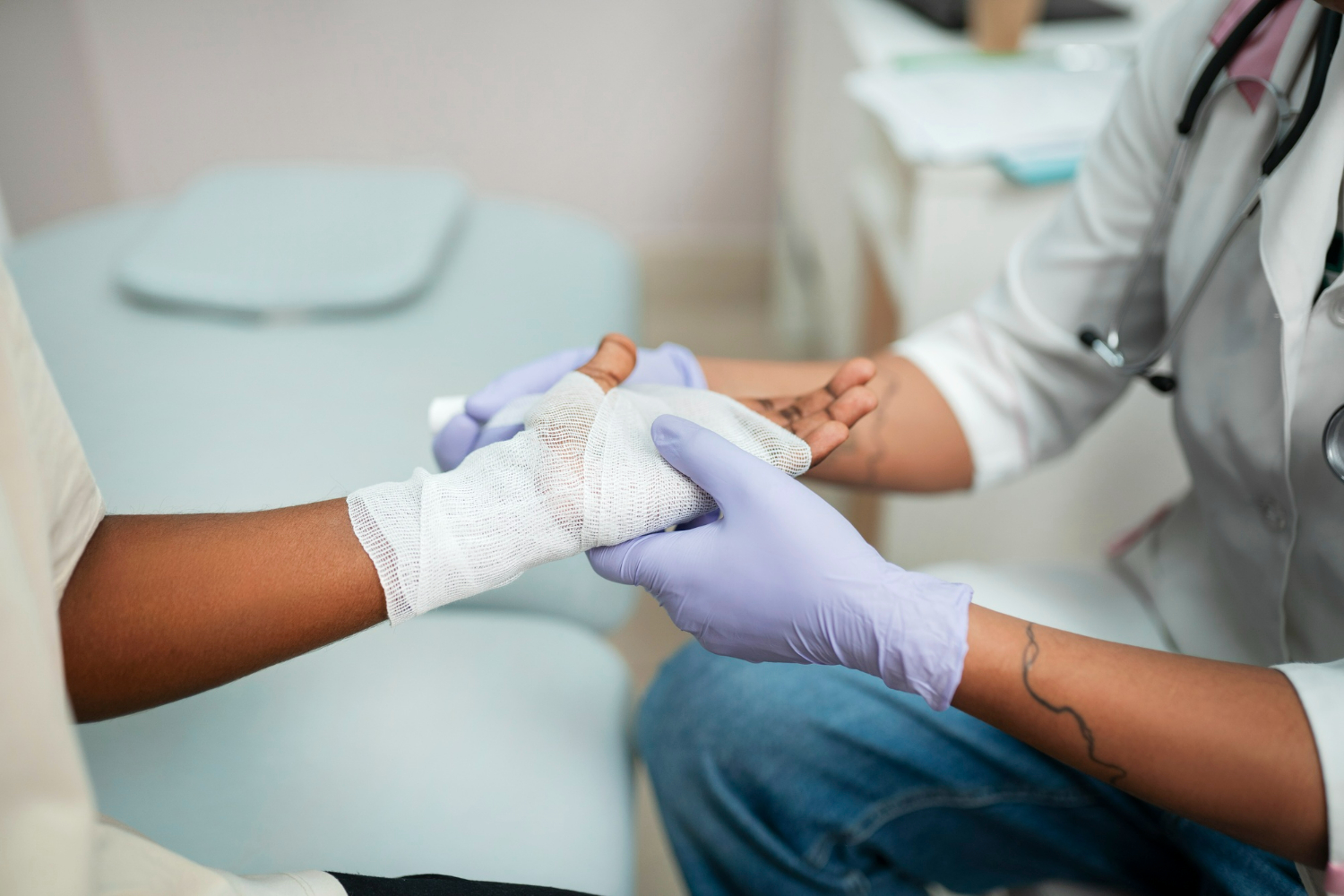
• A normal visit might include cleaning the wound, changing dressings, checking progress, or noticing signs that something isn’t healing well.
• We carry sterilized supplies with us and adjust treatment plans in real time based on how the wound responds.
• During colder months, skin tends to dry out faster from indoor heat. We look at how dressings sit against the skin and how the environment may be working against the healing process.
Southern Wound Care’s providers perform bedside debridement and advanced wound care right where the patient lives, minimizing hassle and eliminating the need for uncomfortable travel.
Every visit is a chance to reset the patient’s comfort, reduce pain, and watch how the wound improves, or if it needs a different approach. The in-home setting gives us a clear picture of someone’s daily routine, which helps make care more personal.
Support for Nashville Residents With Chronic or Long-Term Wound Needs
Long-healing wounds show up more often than people think. Sometimes it’s diabetes, circulation problems, or past surgeries that keep a wound open. Other times, it’s the stress of limited movement over many weeks that wears a person down.
• In neighborhoods with tougher terrain like Antioch or around the hills of South Nashville, just getting outside can feel like a full workout.
• For older adults or those dealing with recurring wounds, adjusting to weather, changing schedules, or being driven around constantly creates added strain.
• Getting regular care at home helps people keep a routine. There’s less start-stop, which keeps healing moving in the right direction.
Regular mobile visits can help prevent unnecessary emergency room visits and hospitalizations, easing the burden for patients and their families.
When a wound won’t go away, having support come to you can take weight off your shoulders in more ways than one. People often feel more in control when they don’t have to build every week around a doctor’s visit across town.
Comfort, Consistency, and Recovery at Home
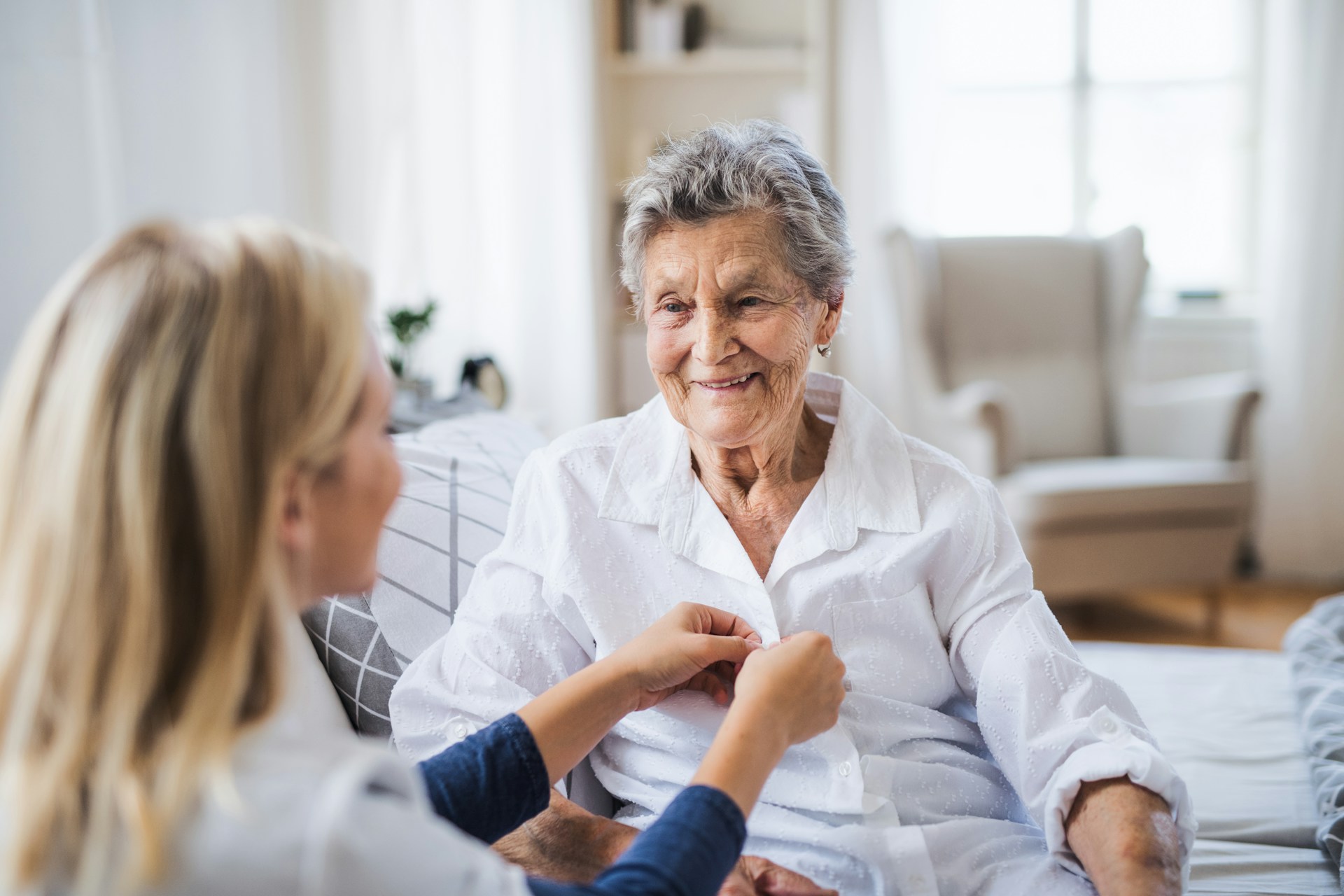
Giving people the chance to recover in their own space does more than relieve stress. It creates a rhythm of care that feels easier to follow. By reducing the pressures of travel, we give patients room to rest and stay comfortable without sacrificing the quality of their wound care.
As winter fades and Nashville inches into early spring, it’s still a tricky time for mobility. Roads can stay slick, bodies stiffen up, and schedules are in flux. That’s why having flexible visits that work around each person’s needs can make a big difference. When healing happens at home or in a familiar setting, it typically feels less overwhelming, and more hopeful.
Travel shouldn’t make wound care or recovery more challenging than it needs to be. We help individuals throughout Brentwood and nearby neighborhoods experience healing in the comfort of their own space. Our approach to mobile wound care in Nashville prioritizes comfort, consistency, and simple visits, no worrying about traffic or unpredictable weather. Contact Southern Wound Care to schedule a visit that works for you.