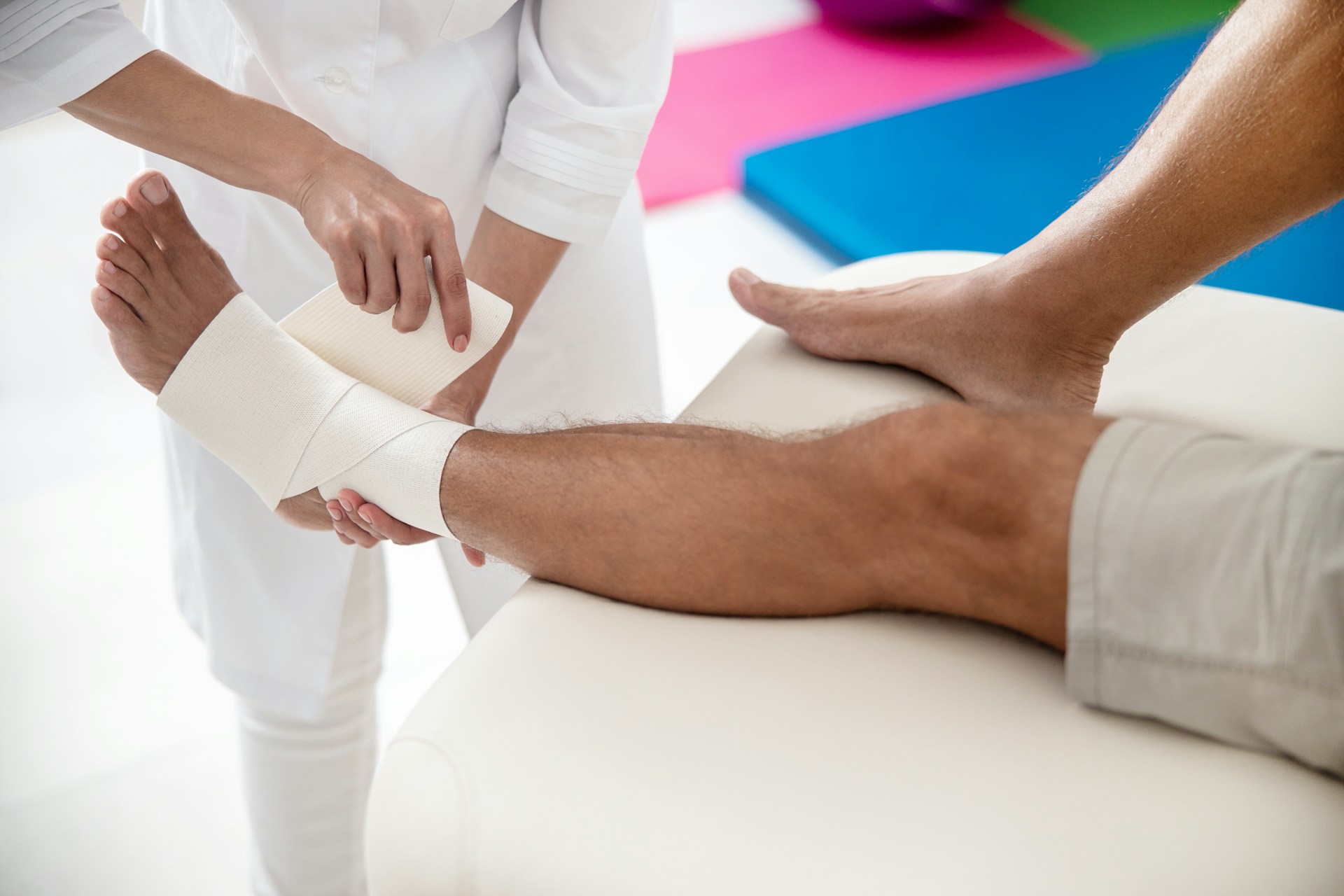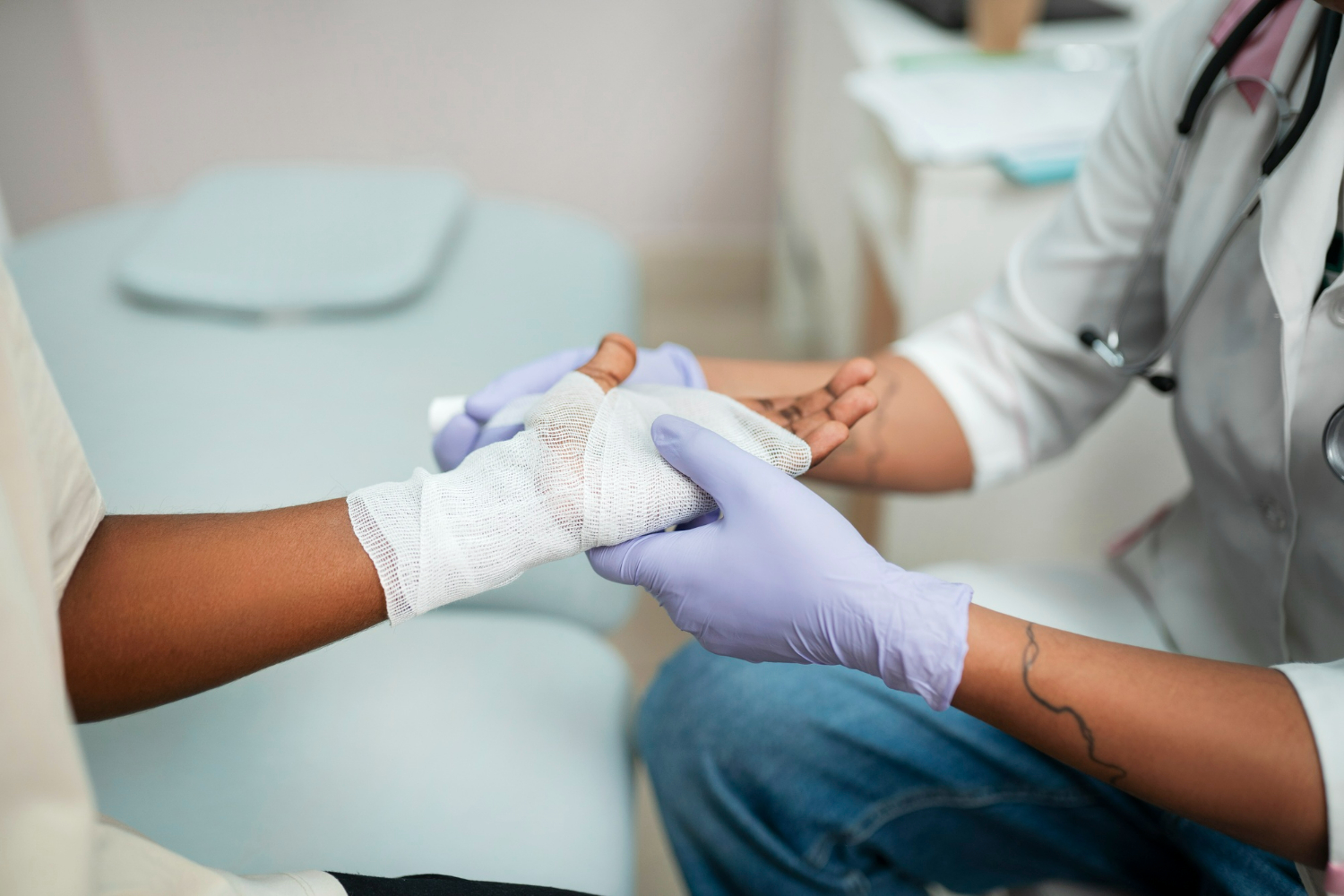
Healing from a wound takes time, care, and a little planning. That planning often starts right at home. Whether someone is recovering from a surgical incision, a pressure ulcer, or a chronic condition that affects the skin, the space around them can play a big part in how smooth that recovery process feels.
A well-prepped home doesn’t just make things easier, it helps protect the healing process. Little things like clutter on the floor, poor lighting, or having to search for supplies can get in the way. By setting up a clean, calm, and comfortable space, you’re helping the body focus more on healing and less on stress. Let’s look at how to build a home setup that works with you, not against you, when dealing with wound care at home in Brentwood.
Creating a Clean and Safe Environment
Keeping the area clean where wound care happens is one of the most basic steps, yet it makes a big difference. Germs, moisture, and clutter all create barriers to recovery. When things are scattered around or hard to reach, it can be easy to bump a healing area or stretch the body in the wrong way. That’s why making the space tidy and organized can actually support better healing.
Start by choosing one space in the home where care tasks will mostly take place. It could be a bedroom, a living room chair with good lighting, or any quiet corner that’s easy to reach. Then, focus on these quick upgrades:
– Wipe down surfaces daily using a gentle disinfectant or soap and water
– Keep all wound supplies in one clean container, such as gloves, gauze, saline, and medical tape
– Use non-slip mats on wood or tiled floors to reduce the chance of falls
– Clear away anything that might lead to tripping, like shoes, bags, or low furniture
– Make sure there’s bright lighting in the area to clearly see changes in the wound or dressing
Check that the supplies you need are close by but still protected from pets, dust, or droplets. Something as simple as coughing or sneezing in the direction of the wound can increase the chance of infection. If you’re helping care for someone else, wash your hands before and after each interaction. Keep hand sanitizer nearby for quick cleanups when you’re moving between rooms.
In colder cities like Brentwood, especially toward late December, tracking in moisture, dirt, and mud from outside becomes more common. Having a washable mat or towel near the front door helps cut back on the mess that could reach the care area. That way, as you move through the house or step into check on a dressing, you’re not dragging germs along with you.
Optimizing Comfort for Healing
Comfort isn’t just about feeling good. It plays a big part in how smoothly recovery goes. When someone healing from a wound gets too cold or sits in one position too long, healing can slow down. Even little levels of discomfort can add up over time and stop someone from sticking with important daily routines.
Your setup depends a lot on what part of the body is healing and how much movement is safe. A chair that raises the legs, a firm cushion under specific pressure points, or an extra blanket during winter can really help. Furniture that’s too deep or soft can make it harder to get up safely, so think about stability when choosing where to rest.
Comfort-focused tips include:
– Use body pillows or rolled towels to prop up arms, hips, or legs
– Keep key items like the TV remote, a water bottle, or a phone within reach
– Choose soft, breathable clothing that won’t rub against sensitive skin
– Adjust HVAC vent covers if cold air is blowing directly at the recovery area
– Add an extra lamp near beds or chairs to avoid shifting too much when it gets dark
Sticking to a steady room temperature is a key part of healing comfort, especially toward the end of the year in Brentwood when the air outside chills quickly. For wounds on the feet or lower legs, place a cushion or stool beneath them to improve circulation and lessen pressure. It makes sitting for longer stretches more manageable.
One real-world example comes from a patient who kept missing wound checks because their supply bin was stored up on a shelf that required reaching overhead. Once it was moved to a basket next to their chair, daily checks were quicker and less stressful. They began noticing improvements faster. Small changes can go a long way.
Ensuring Nutritional and Hydration Needs
Food and water are just as important as gauze and gloves during healing. What someone eats affects how well wounds close up and how strong the immune system stays while fighting infection. Skipping meals or drinking too little water may seem minor at first, but it can quietly delay recovery.
Making small improvements in how meals are prepped or served can go a long way. You don’t need to cook full meals every time. Store small snacks in the fridge or freezer and keep easy foods that require little effort to eat nearby. Try to avoid placing heavy dishes or sharp utensils in places that require bending or stretching.
Some simple, nutritious food ideas:
– Oatmeal with banana and peanut butter
– Hard-boiled eggs and toast
– Rotisserie chicken with a side of vegetables
– Fresh fruit paired with yogurt
– Tuna salad on whole-grain bread
Setting out water bottles at the start of the day works well for people who forget to drink enough. Instead of asking, “Did you have water today?”—track which bottles are empty. To make hydration more appealing, flavor can help. Herbal teas, fruit-infused water, and even clear broth can make a difference, especially in chillier weather.
By late December in Brentwood, the air gets drier with HVAC systems running most of the day. That dry air doesn’t just affect your throat—it affects skin too. Dry skin surrounding a wound can crack, feel tight, or cause new irritation. That’s where staying hydrated makes a real difference. Try keeping a water glass or bottle within reach throughout the house.
Leveraging Mobile Wound Care Services
During the colder months, making it to an office for wound care isn’t always realistic. That’s where having mobile services like ours steps in. We bring the care straight to your door. No arranging rides. No travel stress. Just support where it’s needed most—in your own home.
Brentwood has its fair share of tricky winters, with cold snaps and slick roads. Many patients feel more comfortable staying home when the weather turns. In-home visits mean a provider walks in familiar surroundings, so advice can be even more useful—from recommending supply placement to understanding how different household features might impact recovery.
Our mobile wound care includes:
– Regular assessments
– Dressing changes
– Support with your long-term wound healing goals
– Quick course correction if something doesn’t look right
Delivered care removes the guesswork. It gives peace of mind when you’re not sure what a change in color or swelling might mean. When the goal is comfort, safety, and consistency, skipping cold drives or icy sidewalks is one less thing to worry about.
Making Winter Healing Easier in Brentwood
By late December, Brentwood has fully settled into winter. The days are short, the weather is cold, and the skin is more prone to dryness. These seasonal changes can make wound recovery tougher than usual, and that’s all the more reason to plan your home routine with care.
Dry indoor heat from HVAC systems can leave healing skin even more sensitive. Wearing the wrong materials can add to the problem. Soft cotton or breathable layers that fit well without rubbing are more forgiving. Loose clothing can slide and snag, while clothing that’s too tight can strain damaged skin. Layers can be added or removed throughout the day to keep things just right.
Ice or rain also makes moving around outside a risk. Slips and falls are a big concern for anyone healing from a wound. Inside the home, keep walkways clear of water and clutter. Wet areas near doors or windows deserve extra attention. A good towel, dry mat, or even a folded blanket can serve as backup.
Set chairs close to something solid so it’s easier to stand or sit safely. Keep shoes with strong grip nearby. And don’t forget how the little things matter—like the position of your lamp or how easy it is to get a glass of water. When conditions outside aren’t ideal, these kinds of adjustments help create a calm space where healing can stay on track.
Everything from your snacks to your lighting plays a role in how smoothly recovery goes. The better your home works with your body’s needs, the easier it is to keep moving forward through winter. Healing at home this time of year doesn’t need to feel overwhelming—it just needs the right structure and support to make the process safer and smoother.
Enjoy the peace of mind that comes with a setup that aids recovery comfortably and effectively. If you or a loved one could benefit from professional support, consider our wound care at-home services. Southern Wound Care brings expert care to your doorstep, ensuring a seamless and personalized healing process right where you are.