Cold weather can make wound healing harder, and that’s something many people in Brentwood face every winter. Lower temperatures and shorter days often change daily routines. Whether it’s harder to get outside, motivation drops, or you’re simply staying layered up and cozy, these small shifts can start to impact how well a wound heals. Skin becomes more fragile, healing slows down, and people often overlook what their body actually needs once temperatures fall.
If you’re dealing with a healing wound, your daily care plan shouldn’t take a backseat, even when it’s freezing outside. Winter might actually be the time when wounds need more attention than ever. Things like reduced circulation and dry, heated indoor air all work against the natural healing process. That’s why it helps to understand what’s really happening to your skin during winter and how to make a few changes that can help you stay on track through the colder months.
How Cold Weather Affects Wound Healing
When it gets cold in Brentwood, one of the first things your body does is tighten up blood vessels to hold in heat. That helps conserve warmth but limits how much blood, oxygen, and nutrients get to your skin. For someone trying to heal from a wound, this interruption in blood flow can slow recovery. Without enough circulation, even the best care routines might not be enough to speed healing.
Indoor air during winter is another hidden challenge. Most heating systems, especially HVAC units, dry out the air in homes and facilities. That dryness means your skin loses moisture faster. For wounds, this is a problem because dry skin is more likely to crack, flake, and become irritated. If these cracks form near a healing wound, there’s a higher chance of redness, discomfort, or even infection.
There’s also a natural tendency to move less during winter. People stay bundled on the sofa longer or cut down on physical activity because it’s simply too cold outside. Less movement means less blood flow throughout the body, especially to the lower limbs. That’s bad news for wounds on legs, feet, or other areas that rely heavily on circulation for proper healing.
Even something as simple as putting off a bandage change because it’s too cold or takes too long with all the winter clothing can lead to problems. If a dressing is left on too long or is disrupted by cracked, dry skin, the wound has less protection and becomes more vulnerable.
Common Winter Challenges For Wound Care
Cold weather brings plenty of physical drawbacks, but the biggest impact comes from how it interrupts your day-to-day routines. Wound care is one of those things that needs structure, and winter makes that hard in a few key ways:
1. People spend more time sitting or lying down indoors, which slows circulation to the legs and feet.
2. It can be easy to skip a dressing change or self-check when it feels like too much effort to get through layers of clothing.
3. HVAC units create dry air inside homes and buildings, which leads to increased dryness and irritation on the skin.
4. Seasonal eating habits change, making it more common to reach for low-nutrient comfort foods rather than fresh, healing-supportive options.
5. Less daylight and more time indoors can also lead to lower energy or mild seasonal moods that make it easier to fall out of healthy routines.
All of these issues quietly stack on one another. Maybe it starts with one missed check-in or a skipped cleaning. Then skin starts to crack, and pain increases. Without noticing, a small delay becomes a bigger issue. That’s why little improvements—like reminders, support from mobile professionals, or small changes in daily activity—can do a lot of good.
Strategies For Effective Winter Wound Care
There’s no quick fix for helping wounds heal better during winter, but there are clear steps that can help. Simple strategies logged into your routine can reduce the chance of delays and infections.
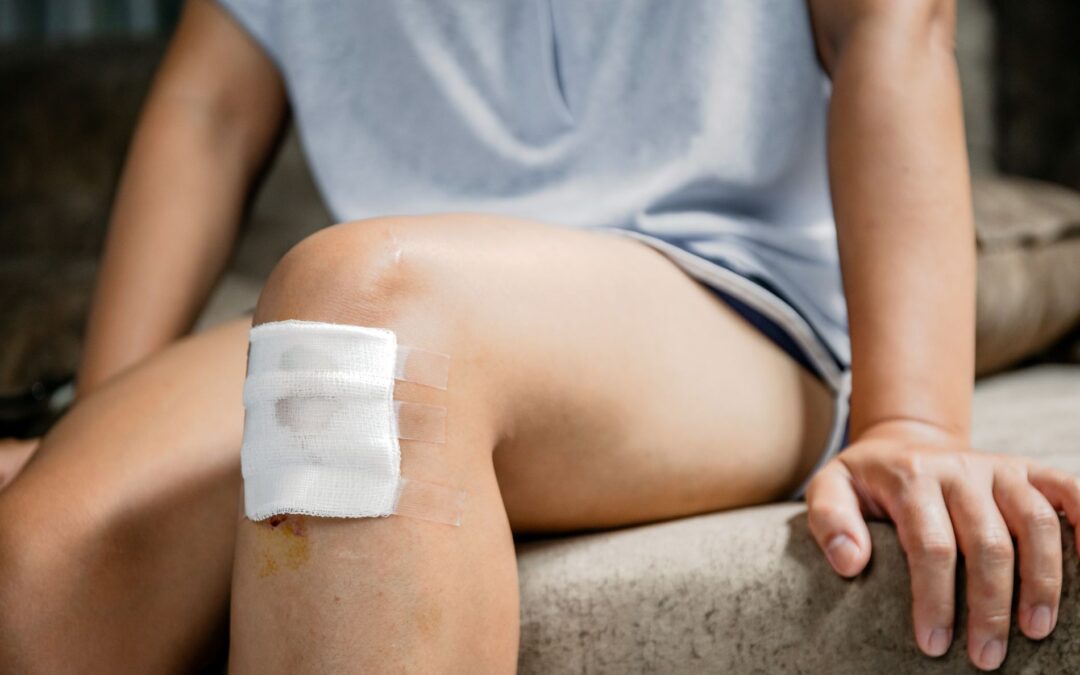
Wound cleaning and bandage changes are still a top priority. Set a daily or weekly reminder if it helps, and don’t delay just because the wound looks the same. During winter, issues can develop more slowly, especially when skin is already brittle or dry.
Keeping your circulation going makes another big difference. Staying active indoors might not look like a full workout, but anything that keeps you moving is helpful. Gentle leg movements from a chair, light stretching, or even slow walking indoors keeps blood flowing to places where it matters most.
Lotions and creams can also go a long way. Don’t use them on the wound itself, but applying a light, skin-safe moisturizer around the area after a warm shower can help the skin stay soft and protected. When heating systems dry out the air, this extra step lowers the chances of painful cracking.
Here are a few tips to help keep your winter wound care on track:
– Stick to your cleaning and dressing schedule, even through holidays or weekends.
– Get small movements in each day: leg lifts, arm stretches, posture changes.
– Use a humidifier to offset the HVAC system and keep air moisture balanced.
– Drink enough fluids. Hydration supports skin recovery and keeps circulation working.
– Give yourself time to check on your wound without rushing or skipping steps.
– Protect your body from temperature swings by dressing warmly and carefully around wound sites.
Even small steps like these build habits that support steady healing when winter makes everything feel slower or more difficult.
Benefits Of Mobile Wound Treatment In Brentwood
Driving to a medical office in winter is something few people enjoy, and for someone healing from a wound, it can feel nearly impossible. Between layering clothes, walking on slippery sidewalks, or organizing transportation, a short trip can turn into a stressful one. That’s where mobile wound treatment really helps.
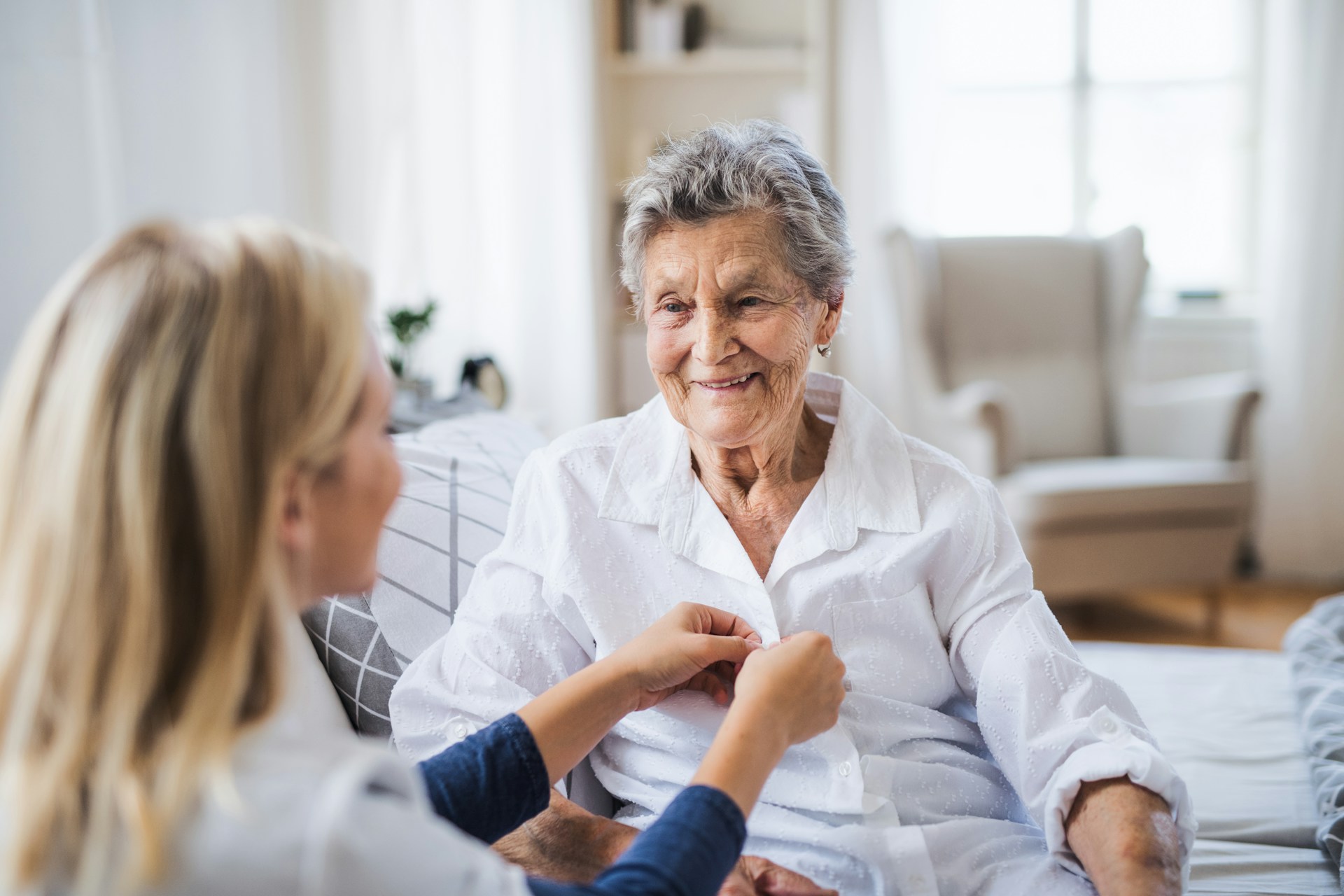
Southern Wound Care serves the Brentwood area by bringing experienced providers right to the patient. That means no office visits or waiting rooms. Instead, wound care takes place where the patient is most comfortable: their home, personal residence, or care facility.
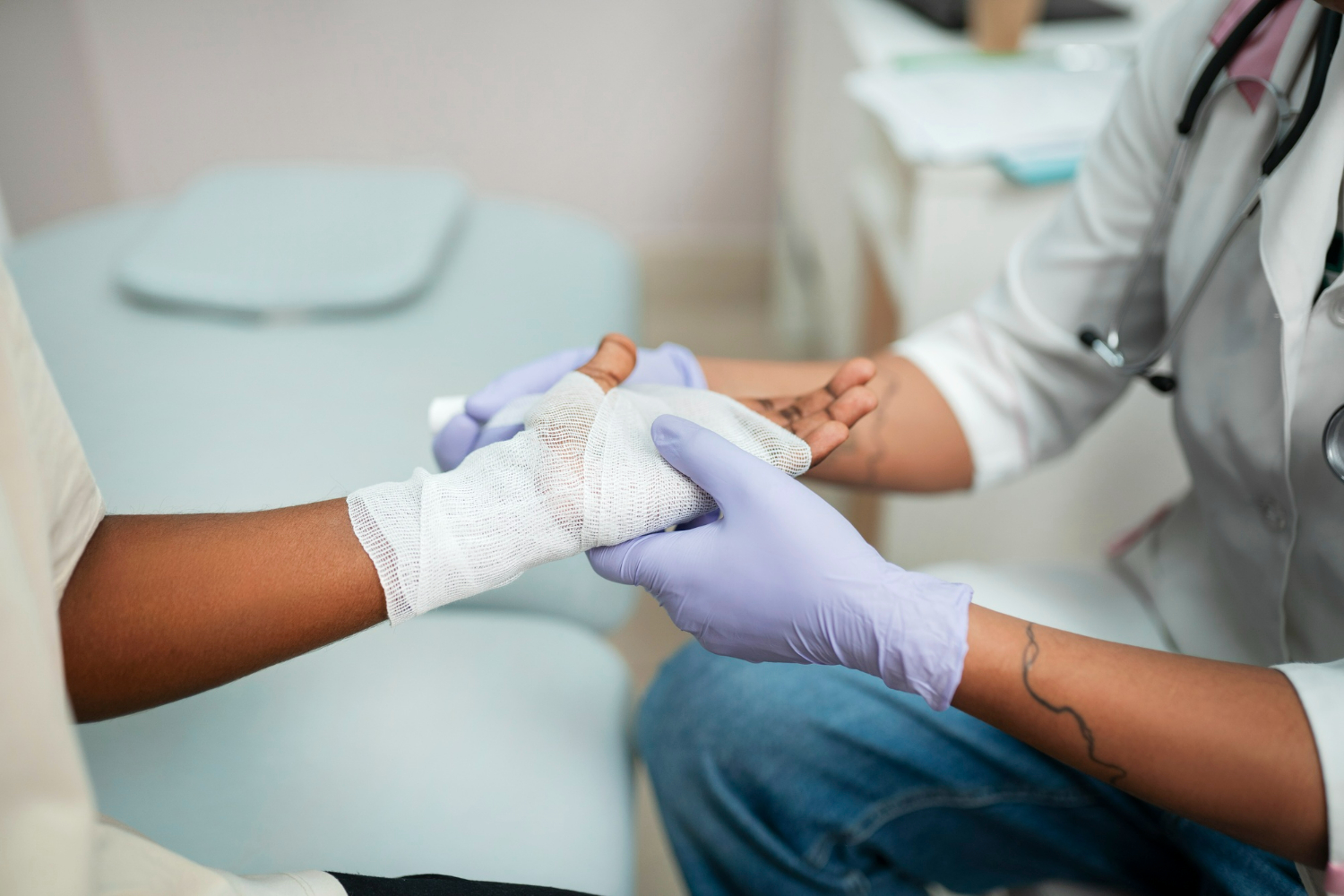
Frequent visits can include dressing changes, infection checks, wound assessments, medicine support, and progress tracking. Each visit is based on what the patient needs that day—nothing extra, nothing missed. No two wounds are the same, and winter tends to make every condition a little more sensitive. Whether someone is recovering from foot surgery or managing general skin breakdown, care is adapted each visit to match healing progress and keep momentum.
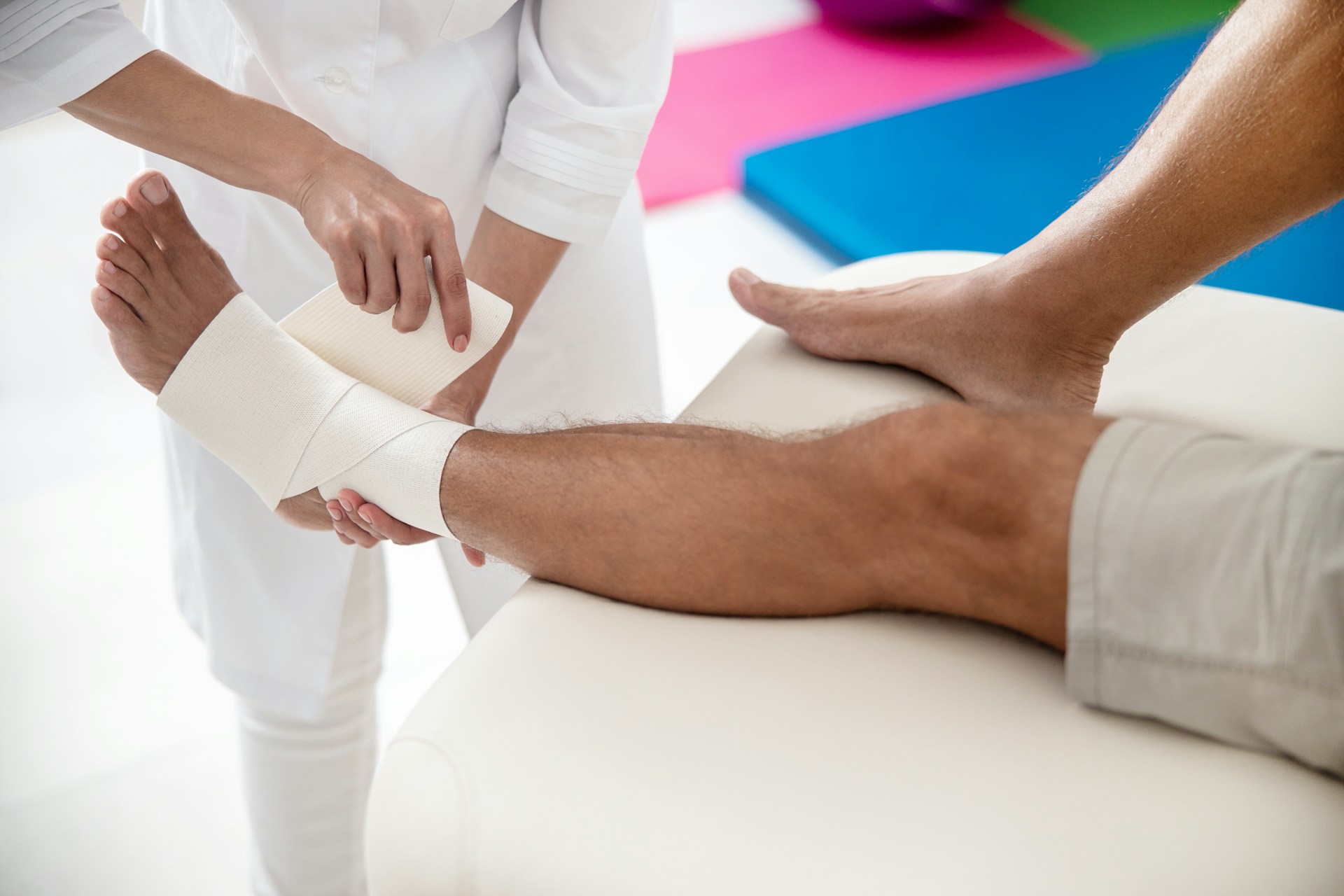
For example, if someone has a bandaged leg wound and battles swelling, layers of winter clothing can get in the way. Add in pain while standing, and a simple clinic appointment can feel like climbing a mountain. With mobile treatment, movement is reduced, stress goes down, and healing continues smoothly without missing a beat.
This home-based option gives people a way to stay on top of wound care, even when winter weather creates more obstacles than support. Personalized attention without needing to leave the house helps reduce chances of setbacks and keeps recovery going forward.
Step Into Winter Prepared, Not Stalled
Healing a wound during Brentwood’s colder months takes more than warm socks and shorter walks. It calls for a plan. When skin gets dry, days get darker, and movement slows down, your wound care routine needs even more structure and support.
Having help at home from trained mobile professionals means you don’t have to handle it alone. Stay warm and steady, stick to your treatment schedule, and give your body every chance to heal by cutting down on risk and stress. With mobile wound treatment options available locally, there’s no reason cold weather has to hold recovery back.
When dealing with wounds during colder months in Brentwood, having the right care at the right time makes a difference. Southern Wound Care helps you stay on track and heal comfortably without needing to go out. For support that fits your routine and the weather, get personalized help through mobile wound treatment in Brentwood, where care comes directly to your door.