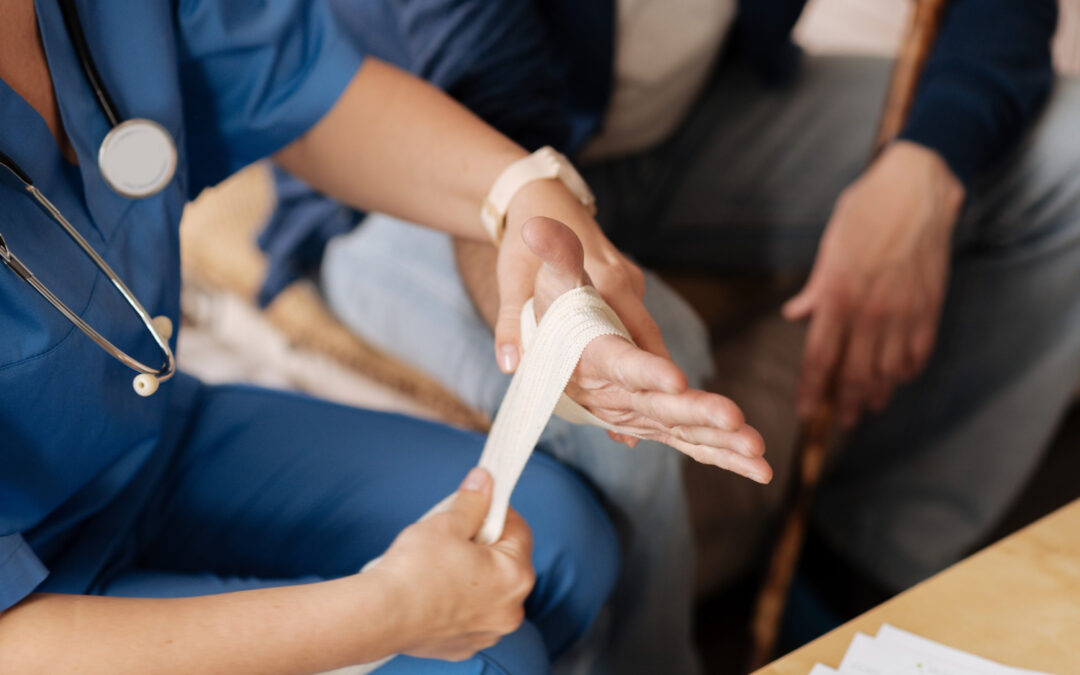
Colder weather can be rough on the body, and for anyone dealing with a wound, it adds a few more complications to think about. Winter brings lower temperatures, drier air, and more time spent indoors, all of which can make it harder for wounds to heal the way they should. What might seem like a simple scrape or cut in warmer weather could take longer to mend once the chill sets in.
In a place like Brentwood, Tennessee, December is when things start to cool down for good. That shift in temperature changes the way your skin behaves and how blood moves below the surface. If you or someone you care for has a hard-to-heal wound, it’s smart to be aware of how winter conditions might slow progress. Taking small, thoughtful steps now can save a lot of frustration later.
Effects Of Cold Weather On Circulation
One of the biggest challenges winter brings to wound healing is poor circulation. When it gets cold outside, your body naturally narrows blood vessels near the skin. It does that to keep your core warm, but that reduced blood flow also means less oxygen and fewer nutrients get to the surface and that’s where the wound needs them most.
Good circulation is how the body delivers white blood cells to prevent infection and repair damaged tissue. Without it, healing slows down. If the area around the wound starts to look pale or takes on a strange color, it could be a hint that the blood isn’t moving like it should. People with diabetes, nerve issues, or limited mobility feel the effects of that slowdown even more.
Even staying in cold environments for too long inside can make a difference. Sitting near windows with chilly air leaks or walking around cold tile floors without socks can gradually reduce warmth in your lower legs and feet. That might not seem like much, but over time, it impacts how the skin feels, looks, and responds to injury, especially around pressure-prone spots.
Extra layers and warm covered clothing can help with general comfort, but here are some things that make the biggest difference when it comes to circulation and healing:
– Keep indoor temperatures steady and reasonably warm
– Avoid sitting for long periods in one position
– Use warm socks and proper shoes when walking, even inside
– Gently massage the legs or feet to boost surface blood flow (unless told not to by your care team)
– Take breaks between rest periods to move around and stretch safely
While these help support circulation, they’re not always enough on their own when you’re dealing with an existing wound. It’s important to have ongoing care that works with the season and your environment to encourage healing, not slow it down.
Common Winter Wound Complications
Winter affects wounds in ways that go beyond slower blood flow. Dry indoor air mixes with lower humidity outside, and that can dry out skin faster than expected. When the skin around a wound is dehydrated, it cracks more easily, making the area more vulnerable to infection and slower healing rates. This is especially true for older adults or people managing chronic illness.
Another common problem is infection. You might think infections are more of a warm-weather thing, but indoor heating creates the perfect environment for bacteria to thrive. If your bandages aren’t changed often enough or the wound isn’t being looked at regularly, problems can sneak up quickly. And since many people wear socks, gloves, or extra layers during the winter, minor skin damage can go unnoticed until it gets worse.
Keep an eye out for signs like:
– Redness that’s spreading out from the wound
– Swelling that wasn’t there before
– Drainage that starts to smell or change color
– Skin cracks or splits around the edges of the bandage
– Increased sensitivity or pain in the area
These wintertime issues don’t mean something is wrong with your routine. They just mean the season calls for a slightly different approach. It’s easier to stay ahead of problems when your wound care plan is flexible enough to roll with the weather.
Tailored Mobile Wound Care Solutions
In Brentwood, getting dependable wound care during the colder months doesn’t mean you need to bundle up and head across town. While offices and clinics may operate on tight schedules or require travel in risky weather, mobile care steps around those issues. Having wound care come to you is more than a convenience. For those living with limited mobility or chronic conditions, it creates better outcomes by offering consistent monitoring without delay.
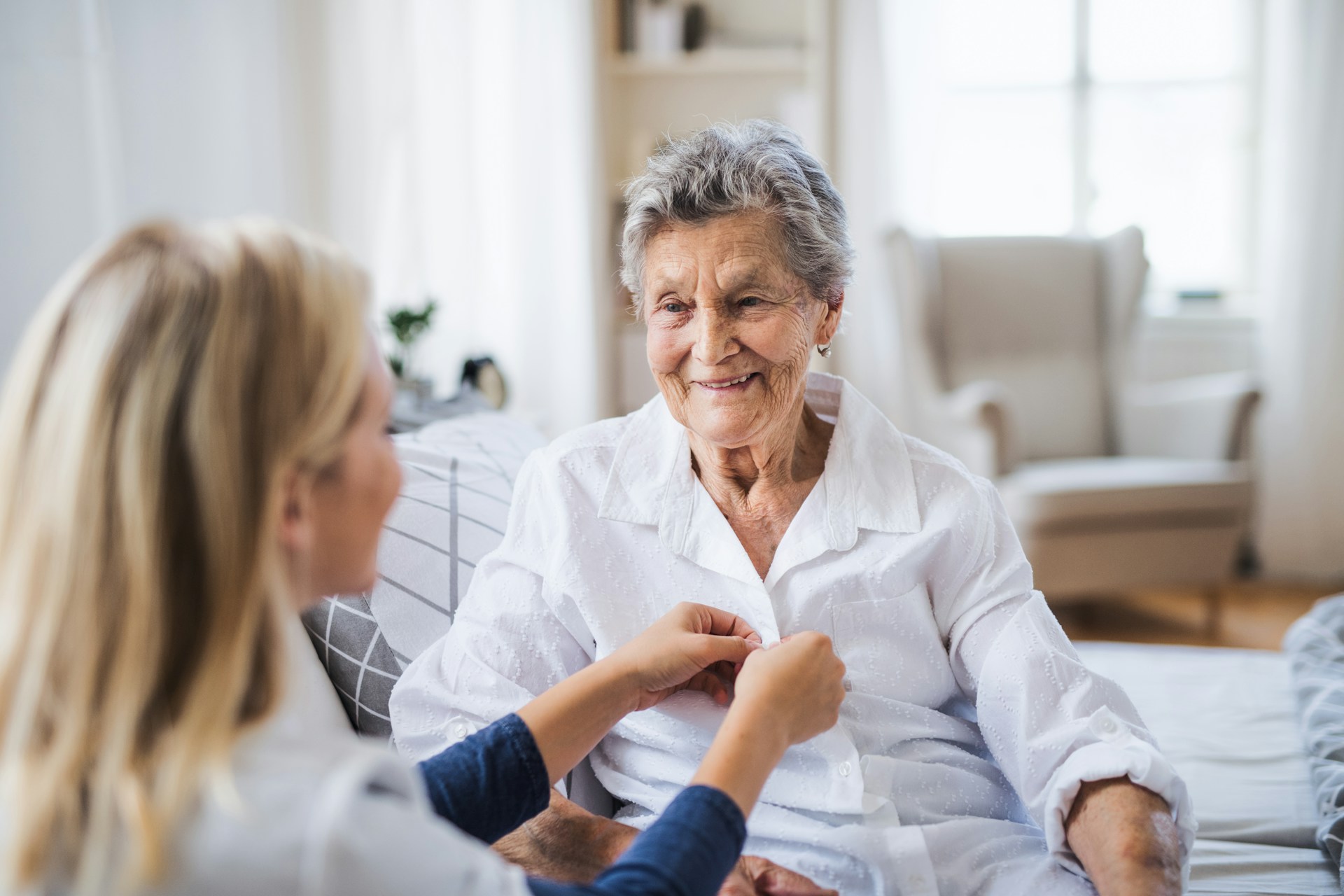
Mobile wound care is centered around each person’s pace and conditions. No rushed appointments, no waiting rooms, and no worrying about cold exposure while trying to get to an in-person facility. Instead, the care is delivered right to where people live, be it in their home, assisted living space, or other care setting. That flexibility matters a lot more when winter-related risks are at play.
Winter wounds can be tricky to manage without custom care plans. Treating a diabetic foot ulcer during December in Brentwood, for example, isn’t the same as treating one in June. Skin reacts differently. Healing often slows. And even something minor, like a missed dressing change, can lead to setbacks. A mobile approach takes those seasonal changes into account and offers support that adjusts alongside the weather.
Tips For Winter Wound Management
Even with expert care, small things done at home can support better healing through the winter. It’s not about reinventing routine. It’s more about adding small, useful steps to help your body stay in recovery mode no matter how cold it gets outside.
Here are a few simple ways to support wound care during winter:
– Stick to a solid care routine. Don’t let holiday schedules or winter weather throw off dressing changes or check-ins with your wound care team
– Stay hydrated. Colder air often means drinking less water, but your skin still needs steady hydration to stay healthy and resist dryness around healing wounds
– Use skin-safe moisturizers. Keep the surrounding skin soft and protected, but make sure no creams touch the open wound itself unless told otherwise by your care team
– Dress in warm, breathable layers. Avoid tight socks or materials that can rub against healing skin, but don’t let your feet or legs get cold either
– Avoid going outdoors right after a dressing change. New bandages need time to settle, and a sharp drop in temperature can interfere with that
– Watch out for slipping accidents. Icy porches, walkways, or even wet floors inside can lead to falls, reopening wounds or creating new ones
Building these habits into daily life can go a long way. Whether outside temperatures keep dropping or just hover around freezing, the real goal is staying ahead of problems instead of reacting once they show up.
Stay Warm, Stay Safe With Professional Care
The colder season brings its fair share of challenges, but wound healing doesn’t have to be one of them. With a few adjustments and the right kind of support, it’s entirely possible to maintain a steady healing process even in the middle of December. Brentwood’s winter can shift quickly from mild to freezing, and that calls for solutions that meet people where they are, not just physically, but within their healing journey too.
Being proactive saves time and stress, especially for those managing wounds that need more than basic first aid. Getting regular help, making home-friendly changes, and staying on top of the cold-related risks will help keep healing on track through the roughest stretch of the season.
If you’re in Brentwood and need extra support with wound care this season, Southern Wound Care is here to help. Our personalized approach to mobile wound care in Brentwood is designed to meet the seasonal challenges you might face, all from the comfort of your own space.